What Is the Tragedy in Ha-Chan, Shake Your Booty? Explained
Spoiler warning: this piece walks through the film’s central events, including the death that kicks everything off.
I’ve been circling this movie for months. Ever since the Sundance buzz, when Josef Kubota Wladyka picked up the U.S. Dramatic Directing Award, I kept refreshing release calendars like it was 2009. Now that Sony Pictures Classics is putting it in U.S. theaters on September 25, 2026, the question I keep seeing online is the same one I had: what actually happens in this thing?
The title sells a party. The premise is a funeral in sequins. Here’s the tragedy at the center of the film, and why I think it works as well as it does.
Is Ha-Chan, Shake Your Booty Sad? The Emotional Truth Behind the Sundance Comedy Hit
A Comedy Title Hiding a Grief Movie
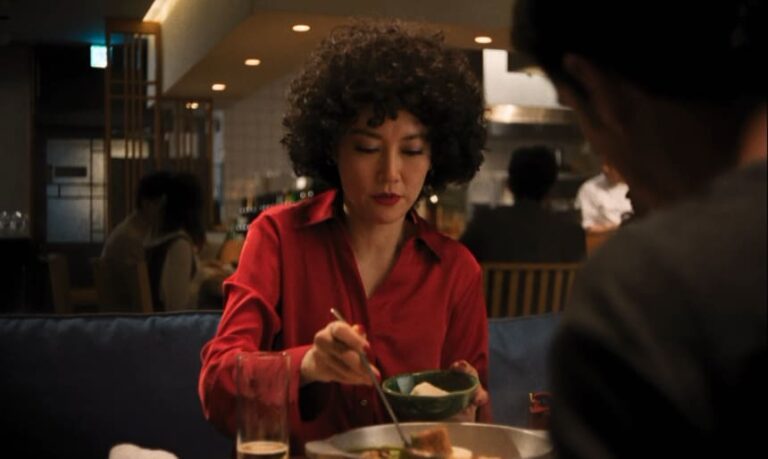
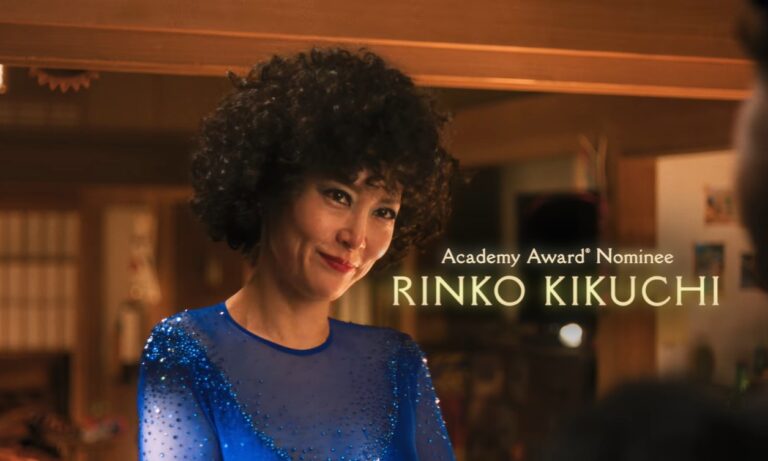
Say ‘shake your booty’ out loud and you expect a feel-good dance romp. The film knows that, and it uses the expectation. Rinko Kikuchi (an Oscar nominee, and she’s magnetic even in stills) plays Haru, whom everyone calls Ha-Chan. Wladyka co-wrote the script with Nicholas Huynh, and the two of them build a story where slapstick, retro musical numbers, and magical realism sit right next to real, unglamorous mourning.
That tonal gamble is the whole reason people are arguing about the film. Some viewers call it whiplash. I call it honest, because grief itself is weirdly funny at the worst moments.
The Moment Everything Breaks: Luis Dies on the Dance Floor
The tragedy is simple to state. Luis, Haru’s Mexican husband (Alejandro Edda), dies of a sudden heart attack in the middle of a competition routine.
The setup matters. The couple lives a quiet, comfortable life in Tokyo, and ballroom dancing is their shared language: rumba, tango, paso doble. They aren’t champions. They just love it, and that love is the spine of the marriage.
Wladyka shows us how Haru feels dancing with Luis by having them float. In her mind, they lift off the floor and drift upward like they’re headed for heaven. It’s a gorgeous, slightly goofy image of pure happiness.
Then comes the Open Tokyo Dance Classic. Mid-routine, right as the levitation fantasy peaks, panic crosses Luis’s face. The spell snaps. His hand slips out of hers, he collapses onto the hard floor, and he dies on the stage.
What I admire is the cruelty of the placement. The film doesn’t cut from happiness to a hospital corridor. It kills him at the exact moment the illusion is strongest, so the audience loses him the same way Haru does: in the middle of a step.
Second Blow: Where Do You Bury Someone You Love?
If the film stopped at the heart attack, it would be sad. It goes further, and that’s where it gets interesting.
Luis’s father, Jacobo (Damián Alcázar), insists his son be buried in Mexico. Haru, in shock and unable to argue, lets Luis’s body be flown across the world. So there’s no Japanese funeral in Tokyo. For Haru, that gap is a wound that doesn’t close: she believes his soul is left adrift, cut off from the home they shared, and she blames herself for letting him go.

This is the emotional logic that keeps her stuck. It isn’t only that Luis is gone. It’s that she feels she failed the ritual that would have let both of them rest.
| Layer of loss | What happens | Why it hurts |
|---|---|---|
| The physical tragedy | Luis’s fatal heart attack mid-dance | Sudden, public, no goodbye |
| The cultural tragedy | His body is sent to Mexico for burial | No funeral in Tokyo, no closure |
| The personal tragedy | Haru loses her partner and her dancing identity | She doesn’t know who she is without him |
Nine Months of Silence
After the funeral that never was, Haru shuts the world out. For nine months she stays in her Tokyo apartment. She skips her own birthday. She keeps setting a place for Luis at the dinner table every night.
I find that last detail hard to watch, in a good way. It’s small and domestic, and it says more about depression than any monologue could.
The Giant Raven
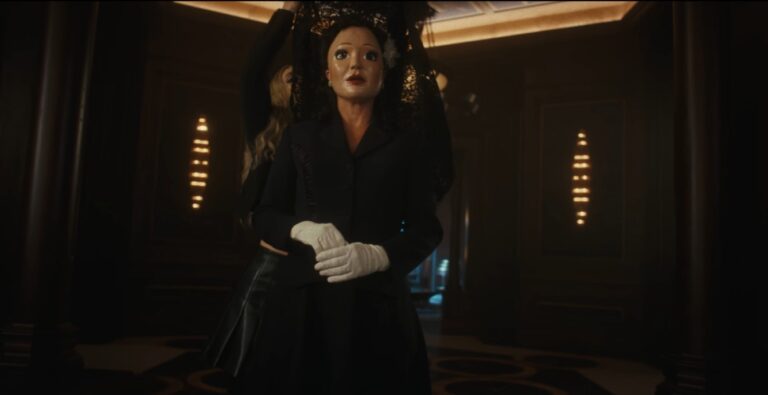
Then the movie gets weird, and this is the part everyone online is dissecting. Each night, Haru sees Luis return as a silent figure in a big, cheap-looking raven costume, bopping around the apartment like the world’s most awkward houseguest.
There are a few ways to read it:
- A spiritual visitor. In Japanese mythology, the three-legged raven Yatagarasu is a divine guide, sent to lead people through hard paths.
- A coping mechanism. Some viewers see the bird as a hallucination, a break caused by trauma too big to process.
- Just grief. Heavy, ridiculous, and impossible to explain to anyone else.
The film never picks one, and I’m glad. The raven works as a symbol of how strange and unwieldy mourning feels, and Haru holds on to it because it’s the last thing tying her to Luis.
The Intervention: Family Drags Her Back to the Floor
Her sister Yuki (Yoh Yoshida) is the sensible one. Her cousin Hiromi (You) is pure chaos. Between tough love and a little bullying, they pull Haru out of the apartment and back into a dance studio. The mission: honor Luis by doing what the two of them loved most. Shake it.
At the studio she meets Fedir (Alberto Guerra), a tattooed, soulful Latino instructor who once got famous on a Dancing with the Stars-style show. Haru is instantly struck, and it jolts her back to life. It also complicates everything, because now she’s torn between loyalty to a dead husband and a very alive desire.
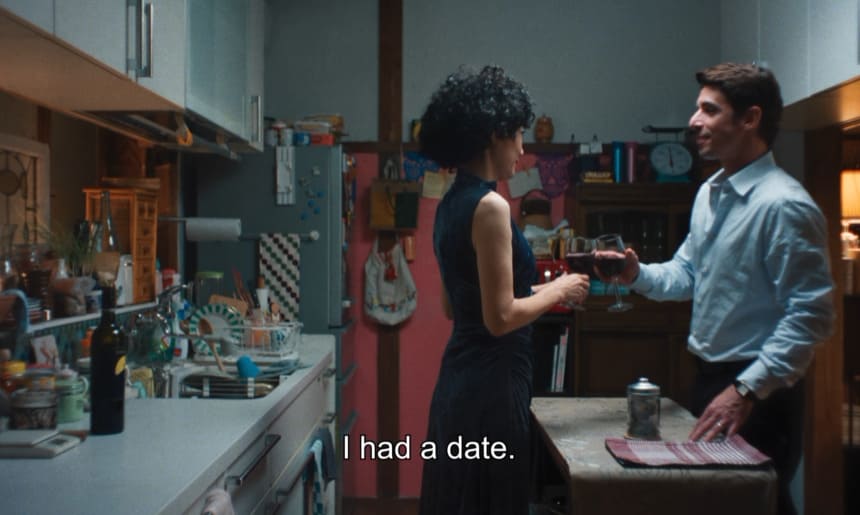
Things spiral when Hiromi mentions Fedir is in an open marriage. Haru, desperate to get closer, claims she is too, conveniently ignoring that her husband is dead. From there it’s a run of messy choices:
- Crashing a Halloween party in full Day of the Dead makeup
- Spicy fantasies that she can’t quite control
- Hiding under a bed during a painfully awkward encounter
It sounds like farce, and it is. But critics have pointed out it’s also accurate. Grieving people do embarrassing, contradictory things. Haru isn’t trying to replace Luis. She’s swinging between guilt, loneliness, and the stubborn instinct to feel joy again.
Who’s Who
| Character | Actor | Role in the story |
|---|---|---|
| Haru (Ha-Chan) | Rinko Kikuchi | Widowed ballroom dancer |
| Luis | Alejandro Edda | Her husband, dies on the dance floor |
| Jacobo | Damián Alcázar | Luis’s father, demands burial in Mexico |
| Yuki | Yoh Yoshida | Haru’s grounded sister |
| Hiromi | You | Her wild cousin |
| Fedir | Alberto Guerra | Dance instructor and new temptation |
Why This Tragedy Sticks
Here’s my take: the film understands that grief is not one event. It’s a pile-up. A heart attack takes Luis, a decision about his body takes away Haru’s chance to say goodbye, and nine quiet months harden the guilt into something she can’t shake off alone.
So when the film later asks her to move, to literally dance again, it isn’t cheesy. It’s the only honest way forward, because the thing that broke her is also the thing that might put her back together.
I went in expecting bright choreography and a few laughs. What I’m getting, from everything I’ve read and the premise alone, is a movie that lets a widow be ridiculous and devastated in the same scene. That’s rare, and it’s exactly why I’ve been counting down to opening day.