Princess Mononoke September 2026 Theater Showtimes EU: Complete European Theatrical Guide & 4K Screening Schedule
I still remember the first time I saw Princess Mononoke — not in a theater, unfortunately, but on a scratchy VHS a friend lent me years ago with a note that just said “trust me.” I didn’t sleep right for a week. Something about Miyazaki’s forest gods, the blood-soaked politics of Iron Town, and that unbearable tension between progress and nature just lodged itself in my brain and never left. So when I heard this thing was getting a proper 4K re-release across European cinemas this September, as part of Ghibli’s 40th anniversary celebrations, I dropped everything to figure out where and when I could catch it. If you’re in the same boat, here’s what I’ve pieced together.
The EU Doesn’t Do This the American Way (And Honestly, That’s Kind of Charming)
If you’ve got friends in the US, you’ve probably seen them posting about Studio Ghibli Fest, GKIDS’ big coordinated nationwide push running September 26–30 across thousands of American screens at once. Very tidy, very centralized, very “corporate machine does its thing.”
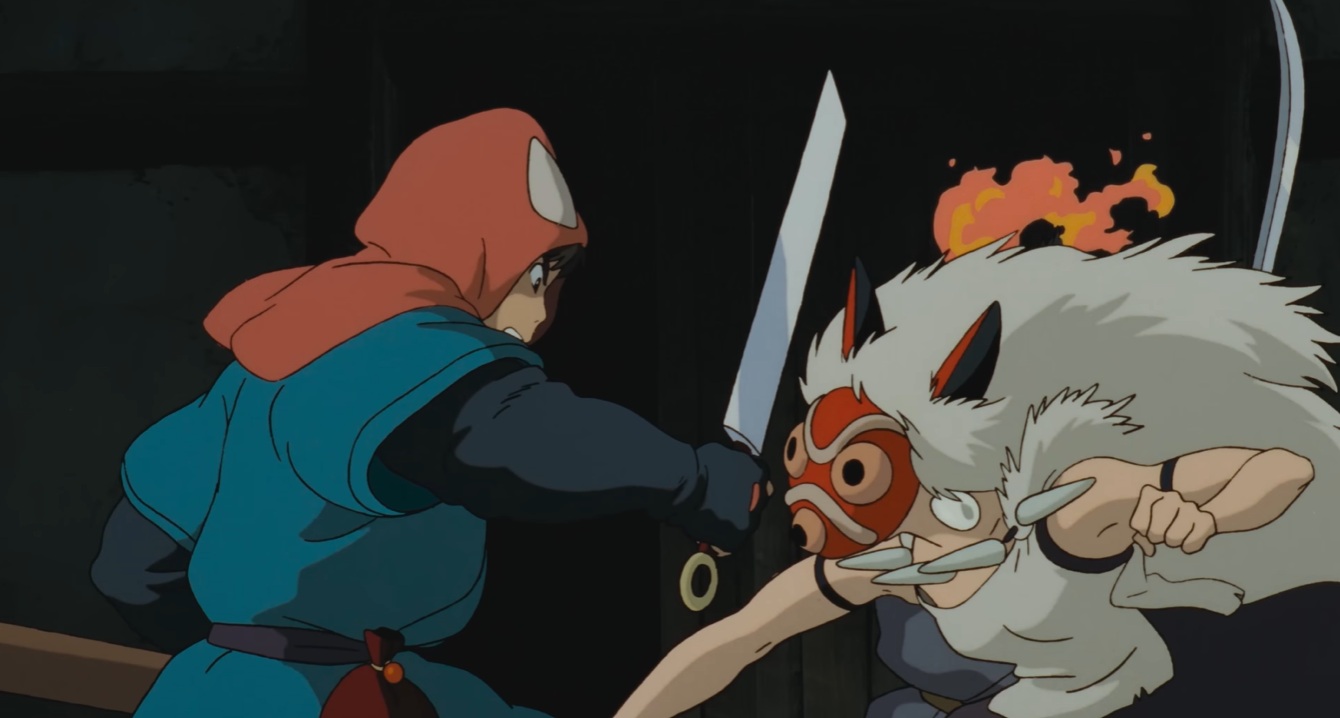
Europe? Not so much. And I say that with affection. There’s no single ticket portal or unified release calendar here — instead you’ve got a patchwork of regional distributors, indie cinemas, and arthouse programmers all doing their own thing on their own schedule. It’s messier, sure, but there’s something oddly fitting about hunting down a scrappy, independently-booked screening of a film that’s fundamentally about resisting the steamroller of centralized industrial progress.
Distributors like Lucky Red in Italy, Frenetic Films in Switzerland, and Elysian Film Group alongside Goodfellas in the UK and Ireland have already run earlier phases of the restoration rollout, and by late 2026 the 4K print has trickled down to the point where smaller festivals and neighborhood cinemas can book it too. That’s actually the good news — you don’t need a major city with an IMAX to catch a great print anymore.
Where I’d Actually Look for Tickets
Skip the generic movie-search habits you’ve built up over the years. This one needs a bit more legwork:
- National aggregator sites — Allociné in France, Kino.de in Germany, Cinenews in Belgium. Search “Princess Mononoke 4K” directly; don’t rely on general “now showing” browsing since these screenings often live under retrospective or festival tabs.
- Chain multiplexes with premium formats — Vue Cinemas runs across the UK, Ireland, Germany, and the Netherlands, and occasionally slots classic Ghibli restorations into their premium large-format screens. Worth a check on their digital box office directly, plus the official IMAX locator if you want the full theatrical assault on your senses.
- Arthouse and repertory cinemas — this is genuinely where I’d start. Amsterdam’s De FilmHallen has a “Nineties” retrospective running from September through the end of December, and Mononoke is basically the anchor piece of their animation lineup. The Eye Filmmuseum, plus indie repertory houses scattered through Paris, Berlin, and Brussels, also tend to slot it into monthly programs under banners like “Studio Ghibli Retrospective.”
Honestly, the smaller venues are where the magic happens anyway. There’s a completely different energy watching this film with forty strangers in a converted old cinema than in a half-empty multiplex on a Tuesday night.
What Atsushi Okui Actually Did to This Print (And Why It Matters)
I’ll admit I was skeptical going in — “4K restoration” gets slapped on everything these days, and half the time it just means someone ran an AI upscaler over old footage and called it a day. This is not that.
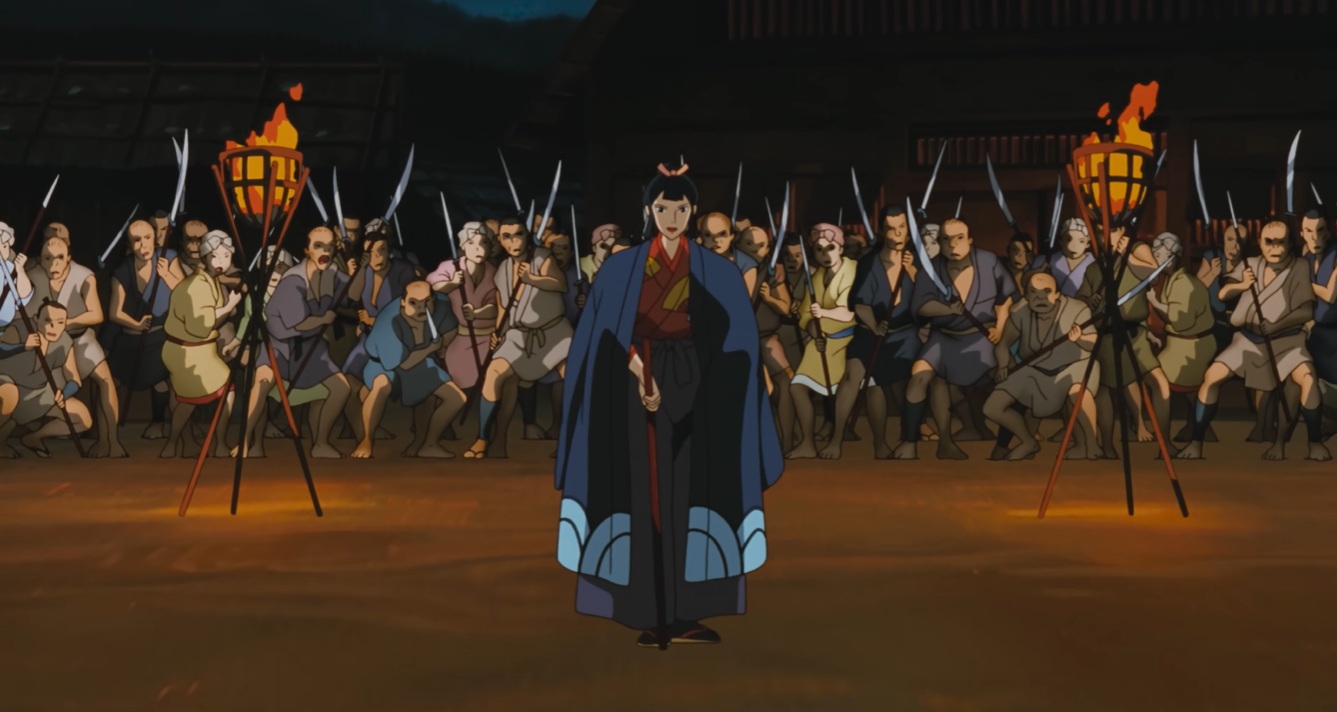
The restoration was personally overseen by Atsushi Okui, Ghibli’s Director of Digital Imaging since 1993 — the guy who’s basically been the studio’s visual conscience for over three decades. Reportedly close to a decade of work went into getting this scan right, and the goal wasn’t to “modernize” the look. It was to preserve exactly what Miyazaki and his team put on film back in 1997.
What you actually notice in the theater:
| What Changes | Why It Matters |
|---|---|
| Color depth | The forest greens and Iron Town’s furnace reds hit with a saturation home video has never captured |
| Film grain | Preserved rather than smoothed away — no waxy, artificial “remaster face” on the animation |
| Shadow detail | The Night-Walker sequences reveal linework that used to disappear into pure black on VHS and even DVD |
| Sound mix | Joe Hisaishi’s score and the sound design (Moro’s roar, Eboshi’s cannons) get a full surround remaster |
That shadow detail point genuinely surprised me most when I read about it — the nighttime Forest Spirit scenes were always the moments where older transfers just gave up and turned everything into a muddy black blob. Apparently that’s no longer the case.
What People Are Actually Arguing About Online
Scroll through r/ghibli or r/anime right now and there’s a very specific debate happening: subtitled Japanese audio vs. the English dub. Both are playing across various EU showtimes, and people have genuinely strong feelings.
The subbed prints let you hear the original performances from Yoji Matsuda (Ashitaka) and Yuriko Ishida (San) — raw, unpolished in the best way. The English dub, meanwhile, has its own cult following, largely because of who’s in it: Billy Crudup, Claire Danes, and Gillian Anderson, working from a script adapted by Neil Gaiman, of all people. That’s not a small-name dub cast, and the writing holds up.
Personally? I go subbed every time, but I get why people defend the dub — it’s not lazy work, it’s a genuinely thoughtful adaptation.
What keeps coming up in every single thread, though, is how unbelievably relevant this film still feels. Nobody in Mononoke is the villain. Lady Eboshi is running a genocidal industrial operation against the forest — and also running possibly the most compassionate refuge for outcasts and lepers in the entire film. The forest gods are righteous — and also willing to annihilate everything in their path. Almost thirty years later, that refusal to hand you an easy moral binary still feels more mature than most blockbusters release this year.
A Few Practical Notes Before You Book
- Move fast. These aren’t wide releases — they’re often single-weekend or single-night bookings, and indie cinema tickets for events like this vanish within hours of being posted.
- Check the listing format carefully. European theaters juggle multiple versions constantly. Look for “OmU” (original with subtitles) versus a dubbed listing in the host country’s language — don’t assume.
- Look into festival passes. A lot of the 90s retrospective programs bundling Mononoke also throw in discounts if you’re seeing multiple classics that season. If you’re already planning a cinema weekend, it’s worth checking before buying single tickets.
At the end of the day, this isn’t really about ticking a box on a “watched it in theaters” list. It’s about experiencing a film that was built for the big screen finally getting the big screen it deserves, decades late but arguably better than ever. If there’s a screening within a reasonable train ride of you this September, I’d take it.