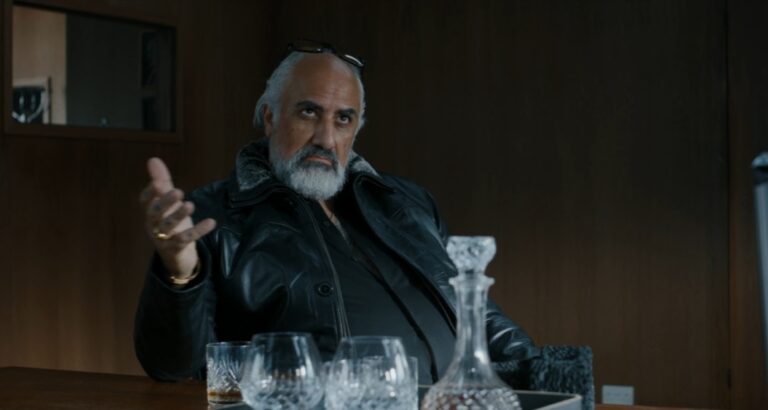
Primetime Ending Explained: The Dark Truth Behind A24’s Chris Hansen Thriller
There’s a specific kind of guilt that comes with admitting you grew up on “To Catch a Predator.” I remember the theme music, the awkward pauses, Chris Hansen’s calm-but-menacing “why don’t you have a seat over there” becoming a genuine internet meme years before memes were even a mainstream concept. It was appointment television dressed up as public service. Watching Lance Oppenheim’s Primetime felt less like watching a movie and more like being handed a mirror I didn’t ask for.
This isn’t a documentary. It’s a fever dream built out of real wreckage, and Robert Pattinson’s take on a fictionalized Hansen-type figure is one of the most unsettling performances he’s given — which, considering his filmography, is saying something.
What Primetime Is Actually About
The film follows two people orbiting the same collapsing star. There’s the host — ambitious, self-mythologizing, convinced he’s fighting a holy war against predators — and there’s Dan Plumb, a broke improv actor played by Skyler Gisondo who takes a decoy gig because it pays well and comes with a SAG card attached. Dan doesn’t fully understand what he’s signing up for until he’s already inside a decoy house pretending to be thirteen years old, and by then the psychological toll has already started compounding.
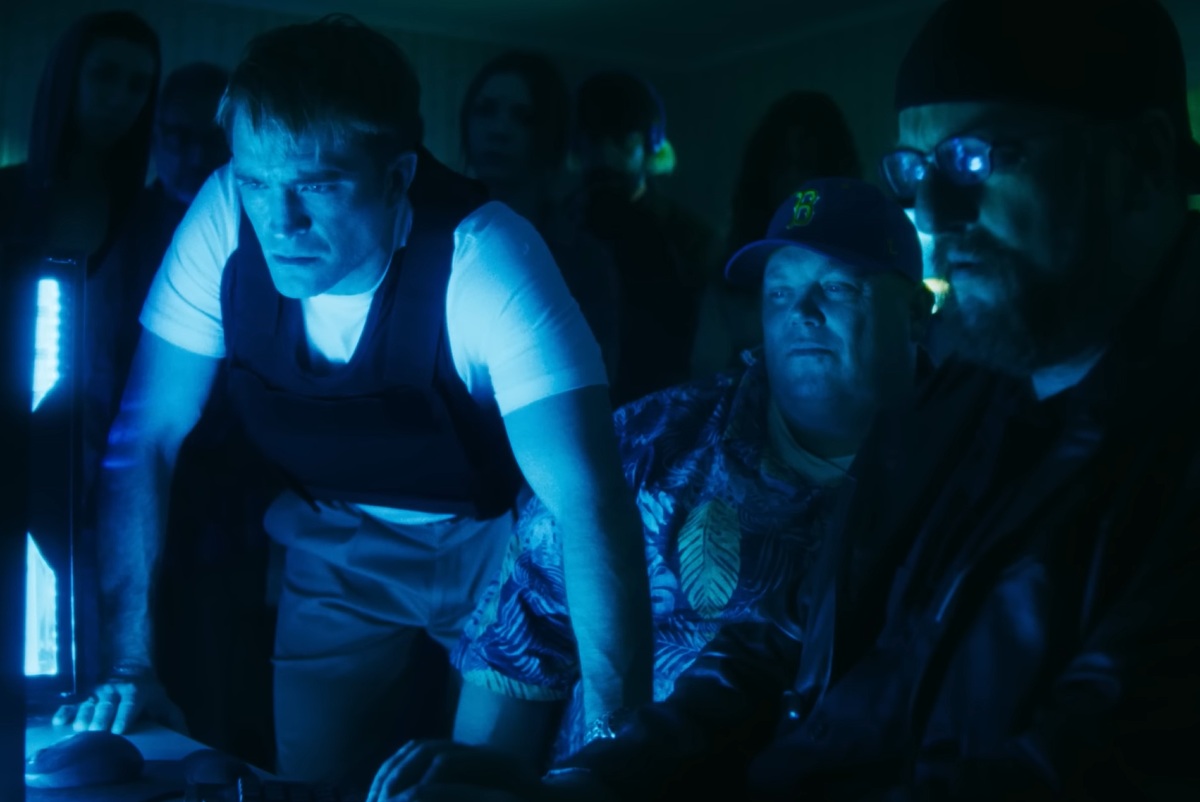
What makes the setup so uncomfortable is how reasonable it feels from the inside. Hansen convinces Dan he’s basically a superhero in disguise, using his acting chops for good. Dan buys it, partly because believing that is easier than sitting with what he’s actually doing for a paycheck. Phoebe Bridgers plays Del, another decoy, and together they represent the invisible labor propping up a ratings machine — people trading their mental health for a shot at an industry dream that was never going to reward them fairly anyway.
Meanwhile Hansen’s own house is on fire. There’s a tabloid story brewing about his affair, network pressure mounting, and a hunger for a bigger, more shocking bust than anything the show has landed before. That hunger is what drags everyone toward Murphy, Texas.
The Murphy, Texas Sting — Where Everything Falls Apart
Up to this point the show has mostly humiliated ordinary guys. Murphy is different. The target is Bill Conradt, an Assistant District Attorney, played with quiet dread by Alex Winter. Catching a prosecutor isn’t just a story — it’s a career-defining, network-defining event, and everyone involved can taste it.
Then it goes sideways. Conradt gets spooked on the phone with Dan, hangs up, and starts wiping his hard drives. The sting-house ambush that was supposed to be the big payoff never happens. And this is where Hansen makes the decision that defines the entire film: instead of walking away, he pushes the crew and police to go straight to Conradt’s house and force the confrontation anyway, cameras rolling.
What happens next is the reason people keep talking about this movie weeks after seeing it.
The Ending, Broken Down
Oppenheim shoots the police breach at Conradt’s home like a horror sequence — driving rain, flashlights slicing through darkness, the whole thing staged with a kind of gothic dread that tells you exactly what tone he’s going for. Before Conradt can be arrested or paraded in front of a camera, he shoots himself.
The film doesn’t linger on the act itself so much as on what it does to the two people we’ve been following.

Dan’s reckoning — For him, the gunshot is the moment the fantasy dies completely. He’s not a superhero. He’s not even really an actor anymore in any way that matters. He was a tool, and his voice on that phone call was one of the last things a man heard before ending his life. That realization doesn’t fade — it wrecks him. By the film’s end, Dan has left the industry entirely and relocated to Tucson. He technically got what he came for, that SAG card, but it’s presented less like an achievement and more like a scar he’ll be carrying for the rest of his life.
Hansen’s tear — This is the moment everyone’s arguing about online, and honestly, I get why. Pattinson lets a single tear fall right after the death is confirmed, and the film very deliberately doesn’t play it as grief. It plays it as the exact moment Hansen understands his empire is finished. A televised suicide involving a sitting prosecutor isn’t a ratings win anymore — it’s a legal and PR catastrophe the network can’t survive. He’s not mourning a man. He’s mourning the version of himself that was about to become a legend. It’s one of the coldest character beats I’ve seen in a recent A24 release, and it works because Pattinson refuses to soften it into something sympathetic.
Nobody gets redemption here. That’s the point.
How Much of This Actually Happened
Here’s the part that hit me hardest doing research after the credits rolled: almost all of it is true. The film is adapted from Luke Dittrich’s 2007 Esquire piece, and the real 2006 Murphy, Texas sting against Assistant DA William Conradt played out with the same devastating outcome — a failed decoy meeting, a SWAT-backed confrontation at his home, and his death by suicide as police entered. The fallout was just as real too: lawsuits against NBC, massive media backlash, and the eventual end of the show.
Where the film does take liberties:
| Detail | Primetime (2026 film) | What Really Happened |
|---|---|---|
| Setting | Dark, stormy night | Early morning, clear daylight |
| Dan’s location | Present at the house, witnesses the suicide | Decoys stayed at the sting house, nowhere near the scene |
| Timeline | Compressed into one tight, escalating stretch | Hansen’s scandals and the show’s collapse unfolded over a longer period |
None of these changes feel dishonest to me — they’re doing exactly what dramatization is supposed to do, which is compress reality into something you can actually feel in two hours instead of just knowing intellectually.
Crew Girl Ending Explained: Who Does Teagan Choose and What Happens in the Season 1 Finale?
Why People Won’t Shut Up About This Movie
Scroll through r/A24 or any Letterboxd thread about Primetime and you’ll see the same argument playing out over and over: everyone in this story convinces themselves they’re the good guy right up until their own interests are threatened. The network, the vigilante group tracking predators online, Hansen himself — they all believe they’re doing something righteous, and the film is merciless about showing how fast that righteousness evaporates once it stops being profitable or safe.
That’s what separates this from a standard true-crime cash-in. It’s not really asking “was this justice.” It’s asking why we were all so comfortable watching it as entertainment in the first place, and whether anything has actually changed since 2006 or we’ve just found new formats to package the same impulse.
There’s no clean resolution because there wasn’t one in real life either. Just a dead man, a broken decoy actor who left the business, and a host who cried for the wrong reason.