A Different World 2026 Season 1 Review: Episode Count, Cast, and Full Breakdown
I’ll admit I went into this one braced for disappointment. Revivals of beloved sitcoms have a track record that ranges from “fine, I guess” to “why did they do this to my childhood,” and A Different World carries enough cultural weight that a misstep would have felt like a genuine loss. But after sitting with all ten episodes of the 2026 Netflix continuation, I came away thinking this is one of the rare legacy sequels that understood the assignment.
Season 1 lands with exactly ten episodes, all dropping at once on September 24, 2026 — a release date timed almost poetically close to the original’s NBC debut nearly four decades earlier. That’s a fraction of the episode count the original series worked with during its 1987–1993 run, and that compression is worth talking about, because it shapes almost everything about how this show feels.
A Campus Worth Revisiting
The premise smartly avoids the laziest revival trap: dragging the old cast back into the spotlight and hoping nostalgia does the heavy lifting. Instead, the show hands the wheel to a new generation while keeping the originals close enough to matter.
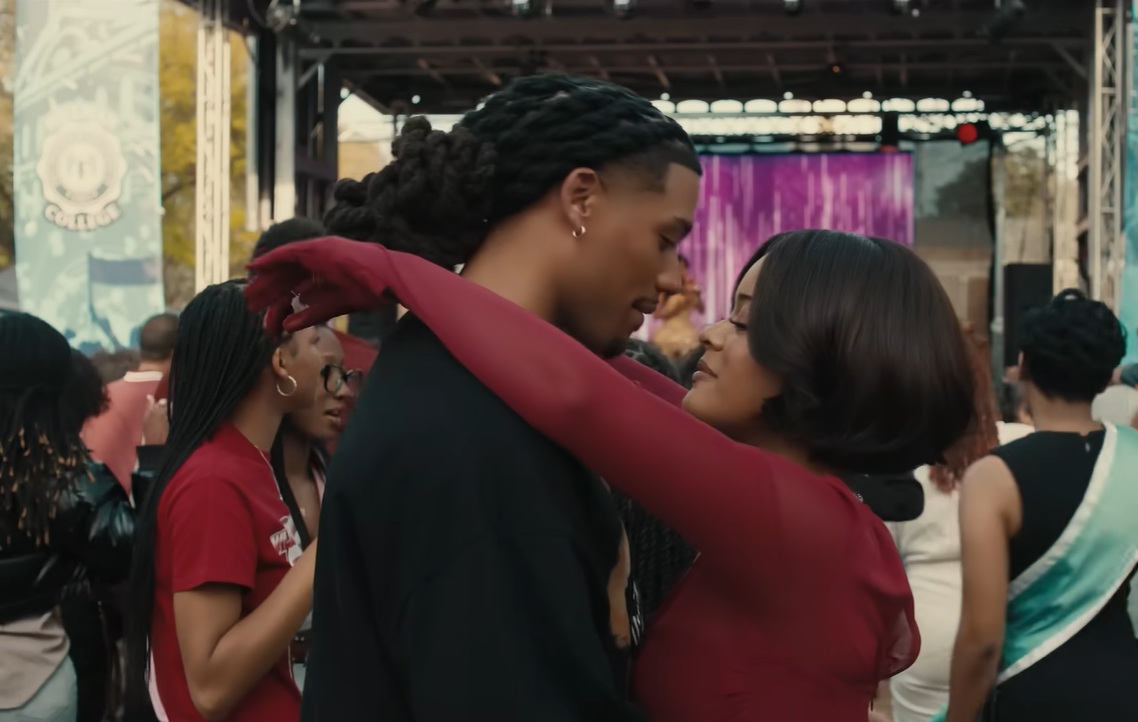
Deborah Wayne, played with real texture by Maleah Joi Moon, is the daughter of Dwayne Wayne and Whitley Gilbert — arguably the most iconic couple to ever walk through Hillman’s gates. Deborah arrives on campus carrying a surname that opens doors and closes them in equal measure, and her Season 1 arc is essentially one long negotiation with her own identity. Alongside her is Shaquille Johnson, son of Ron Johnson, an athlete trying to juggle the demands of a sports scholarship with the pressure of actually being seen as more than his father’s kid.
It’s a familiar structure — legacy kids stepping out of long shadows — but the show doesn’t lean on the premise as a gimmick. It uses it as a lens to look at things that feel genuinely current: campus activism filtered through social media, the financial anxiety of higher education, the murkiness of dating in your twenties when everyone’s phone is also in the room.
The Cast: A Genuinely Smart Blend
What impressed me most is the casting logic. Nobody’s just there for a cameo pop.
| Character | Actor | Role in the Story |
|---|---|---|
| Deborah Wayne | Maleah Joi Moon | Freshman anchor, daughter of Dwayne & Whitley |
| Amir | Jordan Aaron Hall | Socially sharp, quick-witted new friend |
| Kojo | Chibuikem Uche | Brings an international angle to campus life |
| Rashida Duvall | Alijah Kai | Campus organizer type, challenges the norm |
| Hazel | Kennedi Reece | Creative-arts scene, trendsetter energy |
And then there’s the returning crew — Kadeem Hardison and Jasmine Guy stepping back into Dwayne and Whitley not as museum pieces but as fully lived-in adults, now navigating parenthood instead of pop quizzes. Cree Summer’s Freddie Brooks has become a tenured professor and political mentor figure, which honestly might be the single best creative decision in the whole season — it gives the show an emotional and intellectual anchor that doesn’t feel forced. Darryl M. Bell is back as Ron Johnson, occasionally sparring with his TV son, and Dawnn Lewis and Glynn Turman show up in ways that feel earned rather than obligatory.
Behind the Camera: This Wasn’t Outsourced to Strangers
This is the part that actually settled my nerves early on. Felicia Pride, whose writing on shows like Bel-Air proved she can hold both drama and comedy in the same hand, runs the writers’ room and holds the showrunner title. And critically, Debbie Allen — the person whose fingerprints are on basically every important creative decision the original series ever made — came back as an executive producer and personally directed three of the ten episodes.
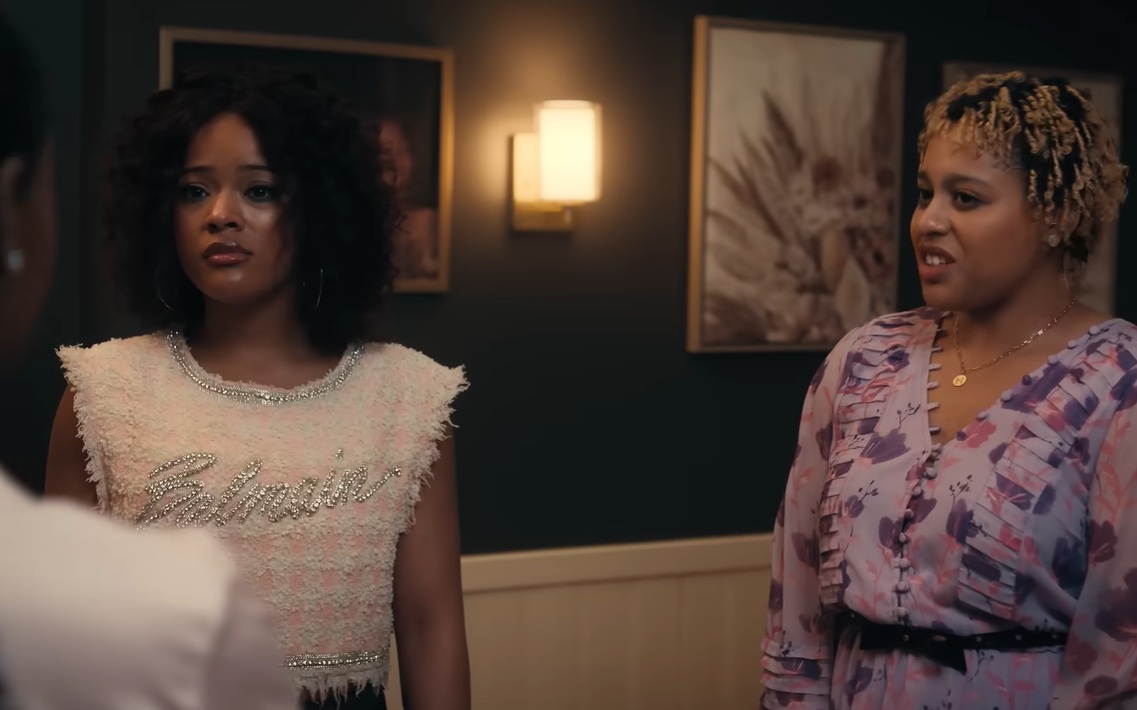
That matters more than it might sound like on paper. Allen didn’t just produce the original; she was its rhythm, its visual identity, its sense of cultural pride translated into blocking and pacing. Her return isn’t a symbolic gesture — you can actually feel it in specific scenes, especially anything shot on the quad.
A few other things worth noting on the production side:
- The show swapped the original’s multi-camera, live-audience format for single-camera — a shift that changes the comedic rhythm entirely
- Brandy recorded a new version of the classic theme song, which somehow manages to honor the original without sounding like a museum exhibit
- Executive producers also include Reggie Rock Bythewood, Mandy Summers, Tom Werner, and Gina Prince-Bythewood — a genuinely stacked group
Does It Actually Work?
Here’s where I want to be honest instead of glowing, because a revival this well-pedigreed deserves real critique, not just enthusiasm.
The single-camera shift is going to split longtime viewers. Gone are the big, theatrical punchlines built for a studio audience’s laughter to punctuate. What replaces it is quieter — dry humor, awkward pauses, situational irony that plays closer to Abbott Elementary or Grown-ish than to the original’s format. I happen to think this was the right call for 2026, but I understand why some purists will feel like something’s missing. Comedy built for a laugh track and comedy built for silence are different animals, and this show clearly knows which one it’s making.
The bigger issue is structural, not creative: ten episodes just isn’t a lot of runway. The original had twenty-plus episodes a season to let relationships breathe and characters stumble before finding their footing. Here, some emotional beats — a falling out, a reconciliation, a shift in someone’s worldview — land a little too fast because the season simply doesn’t have room to let them simmer. Kadeem Hardison himself has pointed out in press interviews that the original show needed a full season to find its rhythm too, which reads almost like a preemptive plea for patience from the audience. Fair enough — but it doesn’t fully excuse a pacing problem baked into the format itself.
What does work, without qualification, is the chemistry. Moon carries real vulnerability as Deborah, someone visibly working to separate “who I am” from “whose kid I am,” and the scenes where she interacts with Hardison and Guy have a genuine tenderness to them — not performative nostalgia, but something that feels like an actual, matured version of a relationship we watched grow up decades ago.
A Different World Sequel 2026 Season 1: Plot Breakdown, Cast, and Release Updates
What the Internet Is Saying
Reaction across forums, YouTube breakdown channels, and social platforms has skewed warm, with a protective streak running underneath. Longtime fans seem relieved the writers didn’t manufacture drama by breaking up Dwayne and Whitley — a cheap trope plenty of revivals reach for. Freddie Brooks as a professor has become something of an online favorite, with Cree Summer getting a lot of well-deserved praise. Brandy’s theme song rework is getting singled out repeatedly as a genuine cross-generational bridge, and on TikTok, the show’s campus fashion is already circulating as its own micro-trend — natural hair, modern streetwear, that specific kind of confident individuality the original show was known for setting off decades ago.
If you grew up with the original, this isn’t a cash grab wearing familiar faces. If you’re coming in fresh, it’s a sharp, funny, occasionally uneven college comedy that earns its emotional beats more often than not. Ten episodes is tight, but it’s tight in a way that suggests restraint rather than laziness — a show that trusts its audience enough not to pad the runtime.
Whatever your entry point, Hillman College is worth walking back onto campus for.