Who Is the Killer in Never After Dark (2026)? The Ending and Supernatural Twist Fully Explained
I’ve been waiting for this movie since the first festival whispers hit my feed, and I’m just going to say it: Never After Dark earns every bit of the hype. I walked in expecting a solid J-horror haunted house flick. I walked out rearranging my mental ‘best twist endings of the decade’ list. If you’ve seen it and you’re still turning the finale over in your head at 2 AM, you’re not alone — half of horror Twitter is doing the same thing right now.
Let’s get into what actually happens, because the ending is doing something genuinely rare for the genre.
The Setup, Fast
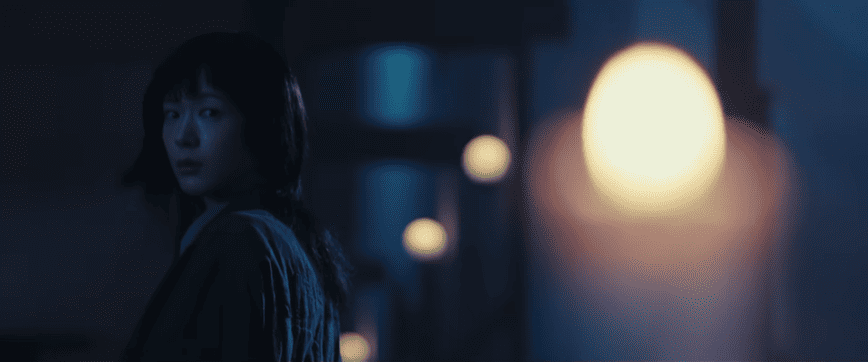
Director Dave Boyle, working alongside co-writer and star Kento Kaku, builds a film around Airi (Moeka Hoshi), a traveling medium with one hard-and-fast rule: never work a job after the sun goes down. She’s not alone on her travels, either — her late sister Miku (Kurumi Inagaki) tags along as a ghost only Airi can see, which gives the film an emotional anchor most haunted-house movies skip entirely.
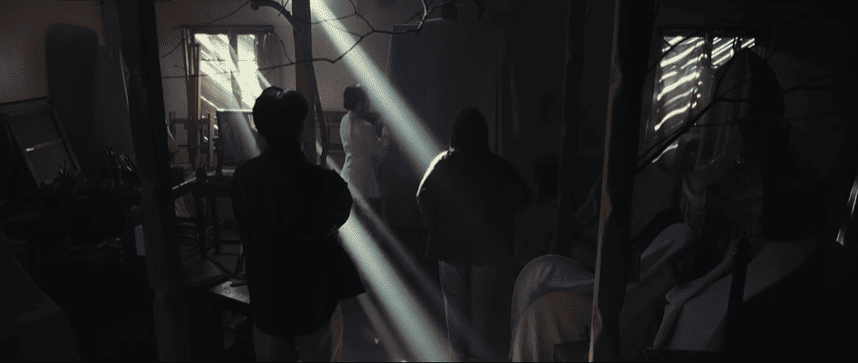
Naturally, Airi’s rule gets broken. A cleansing job at a remote, half-forgotten country estate runs long, dusk falls, and she’s stuck inside with something that should not exist — a mangled, wrong-moving apparition that seems to bend the rules of what a ghost is even capable of.
Never After Dark 2026 Ending Explained: Every Major Plot Spoiler and Twist Revealed
Why the First Two Acts Work So Well
Here’s what I appreciated as someone who’s sat through a lot of mediocre ‘creepy house’ horror: Boyle isn’t in a rush. The scares are patient. The ‘He’s Behind You’ sequence that’s already gone viral online earns its scare instead of just jump-cutting into a loud noise. And crucially, the film keeps you guessing about what kind of movie you’re watching. Is this purely supernatural? Is there a human element? That ambiguity is the whole engine of the back half.
So Who’s Actually the Killer?
This is the part everyone’s Googling, so here’s the direct answer: the killer in Never After Dark is a living, breathing human being — a real serial killer using the isolated estate as a hunting ground long before Airi ever walks through the door. The grotesque entity stalking her through the house is not some ancient demon or unrelated historical spirit.
That’s the first twist. The second one is where the movie stops being merely ‘good’ and becomes something I’ll be recommending for years.
The Temporal Twist, Broken Down
Stick with me, because this is the part that had my entire theater audibly reacting:
- The apparition terrorizing Airi from minute one is the killer.
- Not his ghost, formed after death, in the traditional sense — his malevolent spiritual form, generated by the sheer violence of his eventual demise and thrown backward through time into the hours before he actually dies.
- Airi fights and kills the human version of him in the climax.
- That act of killing him is what creates the monster that had already been hunting her all night.
In other words, cause and effect get scrambled on purpose. The haunting didn’t come first and the murder second — the murder’s violence was so spiritually catastrophic that it ruptured backward, bleeding malevolence into the timeline before it technically happened. Airi isn’t just fighting a killer and, separately, a ghost. She’s fighting one entity that exists in two temporal states simultaneously, and her own actions are the reason the ghost half exists at all.
I’ll admit I had to sit with this for a minute after the credits rolled. It’s the kind of twist that recontextualizes the entire first ninety minutes on a rewatch — every ‘ghost’ scare in act one was technically caused by something Airi hadn’t done yet.
A Quick Comparison: What Kind of Threat Is Each Half?
| Aspect | The Living Killer | The Time-Displaced Spirit |
|---|---|---|
| Nature | Flesh-and-blood human | Spectral echo of his own death |
| Timeline | Present, active | Pushed backward into the same night |
| Motive | Predatory, territorial | Pure violent residue, no independent agenda |
| Defeated by | Physical confrontation | Ceases once the loop’s cause is understood |
| Genre lineage | Slasher/thriller | Kaidan-style vengeful spirit |
Why This Twist Actually Lands (Unlike a Lot of ‘Gotcha’ Endings)
A lot of horror movies pull a last-minute rug just to be shocking, and it feels cheap. This one doesn’t, and I think it’s because of how the film handles Roeg-style disorientation — there’s a clear influence from Don’t Look Now here, specifically in how grief and proximity to trauma warp what’s real. Boyle isn’t hiding the twist to trick you; he’s building toward a thematic point: violence doesn’t need a body count first to start poisoning a place. The malice was strong enough to precede the act.
That’s a genuinely novel mechanic for a ghost story, and it’s the reason this film is going to get picked apart in video essays for a long time.
Miku’s Role Matters More Than You Think
It would’ve been easy for the film to treat Miku as a gimmick — dead sister, spooky sidekick, occasional exposition delivery. Instead she’s the reason Airi doesn’t run. When Airi’s gut instinct is to flee the estate the second she realizes there’s a human threat, it’s Miku who argues they need to stay and end it, because letting the killer walk means more victims down the line. That’s not just plot convenience — it reframes the whole climax as a decision Airi makes, not something that just happens to her. She chooses to close the loop, fully aware of what it might cost her.
It’s also just a quietly devastating sibling dynamic, told through restraint rather than flashback-heavy melodrama, and I respect that Boyle trusted the audience to feel it without over-explaining.
Final Thoughts From Someone Who Waited a Long Time for This
Never After Dark isn’t just a solid entry in the 2026 horror slate — it’s doing something structurally ambitious with a well-worn subgenre, and it mostly sticks the landing. The dual-nature killer concept alone puts it in rare company. Combine that with genuinely unsettling practical effects, a lead performance from Hoshi that carries real emotional weight, and a sister-ghost dynamic that never feels like padding, and you’ve got a movie that’s going to hold up on rewatch — arguably improve on it, once you know what you’re looking for in act one.
If you’ve already seen it: was the loop twist telegraphed for you, or did it hit completely sideways? Because it split my group chat right down the middle.