Is Ha-Chan, Shake Your Booty Sad? The Emotional Truth Behind the Sundance Comedy Hit
I’ve been circling this movie for a long time. When the poster first showed up in my feed, all neon color and a title that sounds like a dare, I assumed I was getting a sugary dance comedy. Then the Sundance chatter started, and the word people kept using was grief. That combination made me more curious, not less.
So, the question everybody keeps typing into search bars: is Ha-Chan, Shake Your Booty! sad?
Yes. Genuinely, properly sad. It’s also one of the funniest, weirdest, most alive films I’ve come across this year. The film doesn’t pick one side, and that is exactly why it works.
Ha-Chan Shake Your Booty Crow Meaning: The Symbolism of Luis and Yatagarasu Explained
The Opening Hits Like a Truck
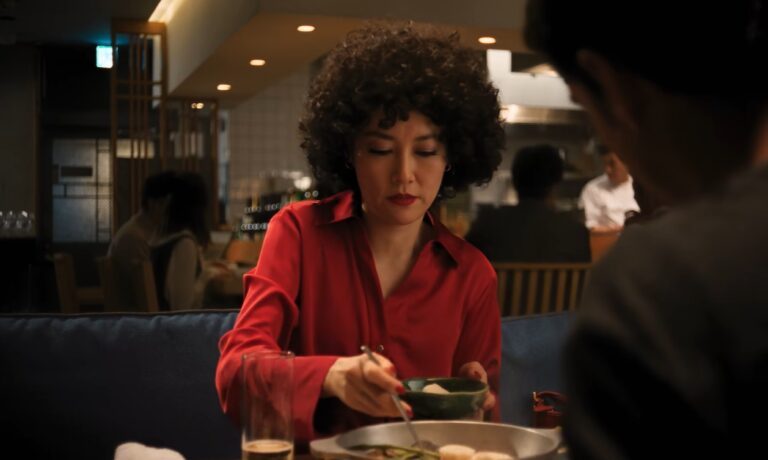
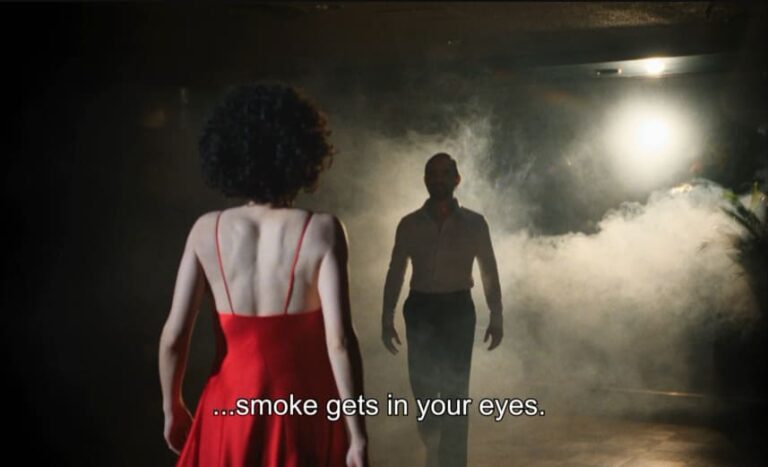
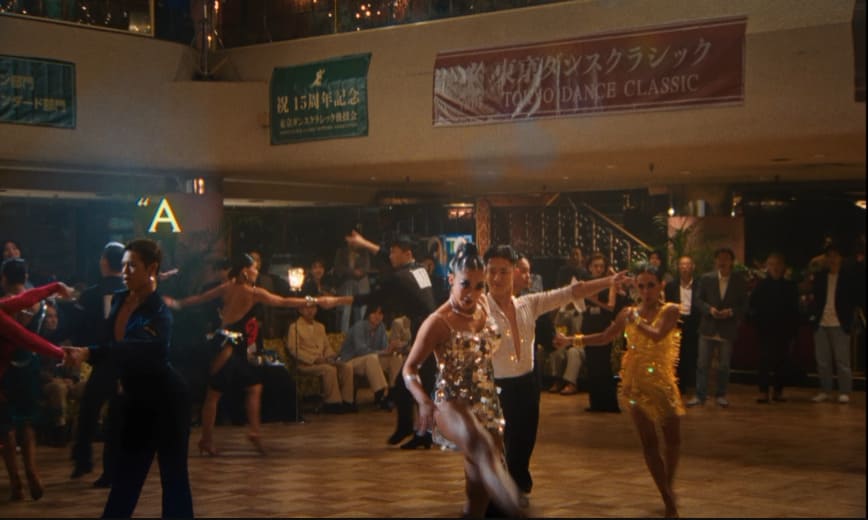
Josef Kubota Wladyka (Sony Pictures Classics is handling the release) starts by making you fall in love with a marriage. Haru, played by Rinko Kikuchi, lives in Tokyo with her husband Luis (Alejandro Edda). They’re both obsessed with competitive ballroom dancing. When they dance, Haru imagines the two of them lifting off the floor and drifting upward, and for a few minutes the film lets you float with them.
Then it cuts the string.
Mid-routine, at a live competition, Luis has a heart attack. He lets go of her hand and drops. He dies right there on the dance floor.
That’s the engine of the whole movie, and the film doesn’t rush past it. Haru pulls out of the world completely. She hands her dog to her sister, shuts the curtains, and stays shut in. Kikuchi plays this stretch with almost no ornament. Her performance is all small, exhausted gestures, and if you’ve lost someone, it will find you.
If you’re a crier, keep tissues nearby for the first act.
Then the Movie Does Something Bold
Here’s the turn that separates this film from a hundred other widow dramas. Nine months in, Haru’s family loses patience with her hiding. Her sensible sister Yuki (Yoh Yoshida) and her gloriously chaotic cousin Hiromi, flown in from America (You), basically bully her back into the dance studio.
And the tone flips. Critics have been calling it a ‘grief-fueled musical romantic comedy,’ which sounds like a marketing department invented it, but it fits. The movie starts throwing everything at the wall:
Game-show chapter cards
The film is split into segments announced with loud, colorful title cards and a hyper-caffeinated announcer voice, like a Japanese variety show broke into a funeral.
The crow
A human-sized crow in a cute, kawaii-style costume wanders around Haru’s home. It’s the lingering presence of Luis, and it’s ridiculous and heartbreaking at once. I laughed, then felt something catch in my throat, sometimes within the same shot.
A new complication
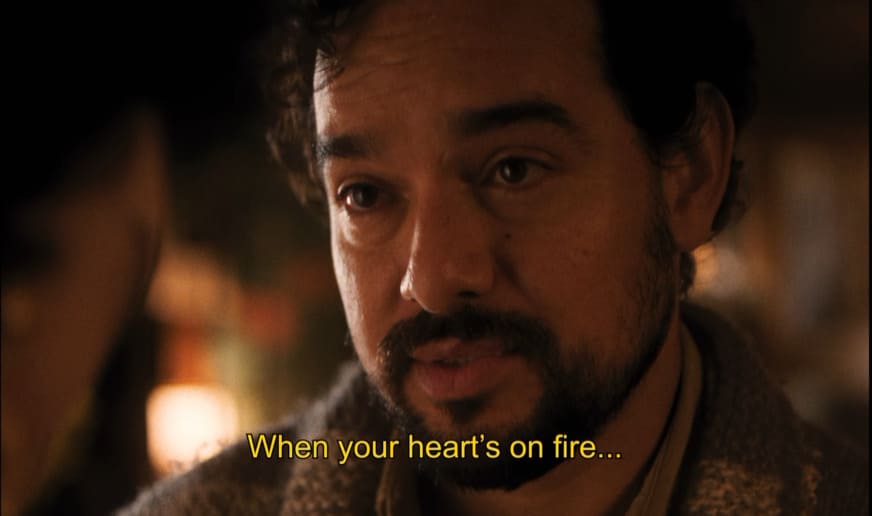
At the studio, Haru meets Fedir (Alberto Guerra), a good-looking, heavily tattooed instructor. She develops an instant, undignified crush. When she discovers his relationship situation, the movie detours into a surprisingly funny crash course on how ethically non-monogamous open marriages actually work.
A Dirty Dancing homage
There’s a stylized sequence modeled on a Japanese stage production of Dirty Dancing. I won’t say more, because it’s better as a surprise.
None of these choices should fit together. Somehow they do.
Why the Mix Works
Real mourning isn’t tidy. Nobody grieves in a straight line with a soft piano score underneath. You cry in a grocery store, then snort at something inappropriate, then feel guilty, then feel a flicker of desire and feel guiltier. One Letterboxd reviewer put it perfectly, joking that grief can be humiliating, horny, funny, and badly timed all at the same time. That line stuck with me because it describes the movie’s whole worldview.
Critics have picked up on the same thing. The New York Times framed dance as a language for grief, a way of saying what Haru can’t say out loud. Variety and Mashable both suggested the film’s untidiness is the point, since it mirrors how healing actually behaves. And I like the metaphor buried in all this: rebuilding your life after a loss is like learning a new routine. You’ll step on toes. You’ll look ridiculous. You keep going anyway.
How Sad Is It, Really? A Quick Guide
Here’s my honest breakdown, since ‘is it sad?’ deserves better than a shrug.
| Part of the film | Emotional temperature | What to expect |
|---|---|---|
| Opening dance and Luis’s death | Very sad | Real tears, real weight |
| Haru’s isolation | Heavy | Quiet, lonely, believable |
| Family intervention | Warm and funny | Bickering, love, comic relief |
| Studio, Fedir, the crow | Chaotic comedy | Awkward, silly, unexpectedly tender |
| Final stretch | Bittersweet and uplifting | Cathartic rather than crushing |
If I had to put a label on it, I’d call it a ‘happy-sad’ movie, the tag Letterboxd users keep reaching for. You leave with wet eyes and a stupid grin.
Should You Skip It If You Hate Sad Movies?
I’d say no, with one caveat.
The first act is genuinely painful. The film treats Luis’s death with real gravity, and Rinko Kikuchi’s performance never lets you look away from Haru’s loneliness. If you’ve lost a spouse or a parent recently, that opening could hit very close to home, and it’s fair to pick your moment.
But if your fear is that the whole 122 minutes is a slow slog through misery, relax. The movie is built to send you out the door smiling. The colors pop, the costumes are outrageous, and the humor is loose and silly in a way that never feels like it’s mocking the sadness. It’s more like the sadness gave the comedy permission to exist.
Worth knowing going in: this isn’t a realistic, muted drama. The campy game-show energy and the giant crow are a lot, and a few viewers will bounce off that. I found the tonal swerves thrilling, but I get why some people won’t.
The Personal Note Behind It All
One detail changed how I saw the film afterward. Wladyka dedicated it to his mother, a lifelong ballroom dancer who’s still dancing in her 80s. Once you know that, the movie’s stubborn optimism makes more sense. It’s not naive cheerfulness. It comes from someone who has watched a person keep moving through a long life, loss included.
The message underneath the sequins is simple and, I think, true: suffering doesn’t get to be the last chapter.
My Take
I went in hungry for something different, and I got it. Ha-Chan, Shake Your Booty! is uneven in places and gleefully over the top in others, and I wouldn’t trade a single strange choice. It gave me a good cry, a lot of laughs, and one very confusing, very entertaining detour into open-marriage etiquette.
If you want a safe, predictable musical, look elsewhere. If you want a film that understands grief can be absurd and dancing can be medicine, buy the ticket. Bring tissues, and maybe wear shoes you can tap your feet in.
Meta description: Is Ha-Chan, Shake Your Booty! sad? Yes, but it’s also funny, strange, and full of life. A fan’s honest take on Josef Kubota Wladyka’s 2026 Sundance standout.