Ha-Chan, Shake Your Booty Movie Explanation: Plot Analysis and Ending Explained
I’ll be honest with you: the title had me bracing for something disposable. A quirky festival darling with a wacky name, all sizzle and no substance — that’s what I expected walking into my first screening of Ha-Chan, Shake Your Booty! By the time the credits rolled, I was wiping my eyes and grinning like an idiot at the same time, which is a very specific and very rare combination.
This is the kind of film I’d been quietly tracking since its Sundance premiere, refreshing festival schedules and scrolling through early reactions, hoping the buzz wasn’t overblown. It wasn’t. Director Josef Kubota Wladyka — a filmmaker better known for tense, stripped-down thrillers like Catch the Fair One — takes a hard left turn here, and it pays off spectacularly. The film walked away from Sundance with the U.S. Dramatic Directing Award, and Sony Pictures Classics scooped it up fast, setting a theatrical release for September 25, 2026.
What’s It Actually About?
Strip away the playful title and you’re left with something surprisingly tender: a story about a woman rebuilding herself, one dance step at a time, after losing the person she built her whole life around.
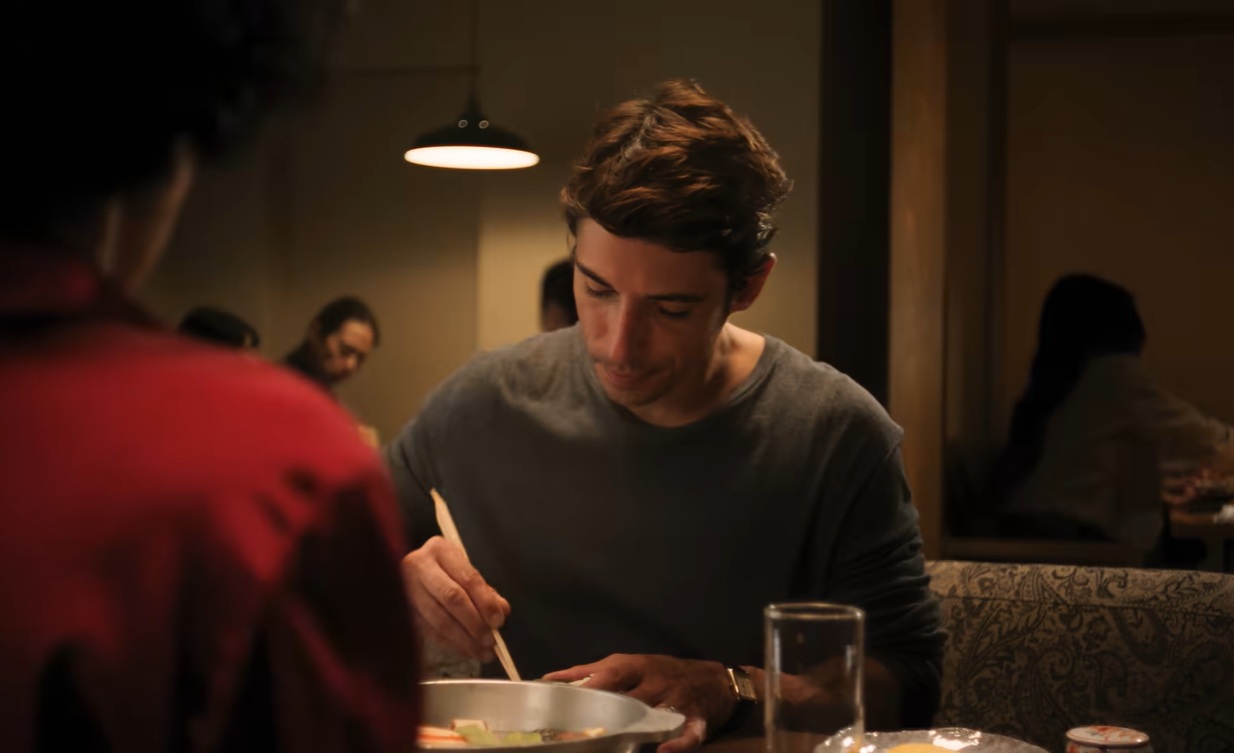
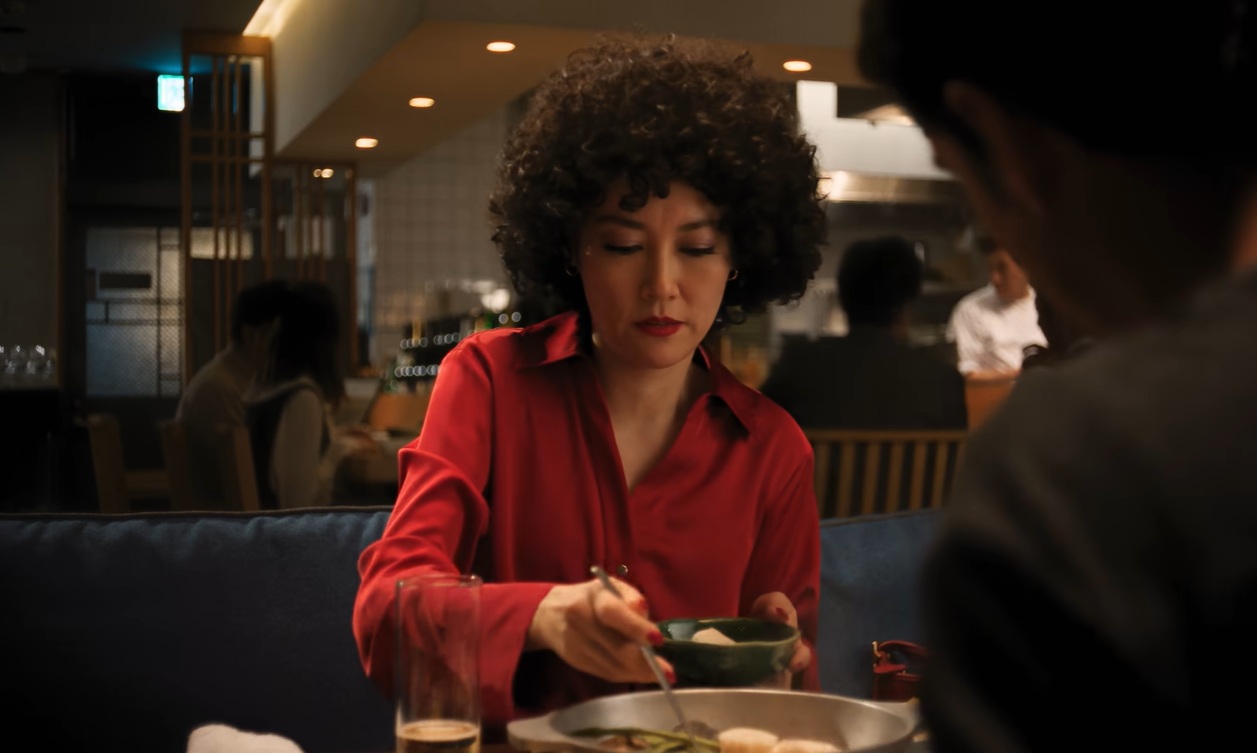
Rinko Kikuchi — an actress I’ve admired since Babel, and who most casual moviegoers will recognize from Pacific Rim — plays Haru, nicknamed Ha-Chan. She and her husband Luis aren’t just a married couple; they’re a ballroom dance duo, fixtures of Tokyo’s competitive dance circuit, the kind of pair whose connection is obvious the second they step onto the floor together. Then Luis dies suddenly, and everything Haru understood about her life collapses overnight.
What follows isn’t a tidy grief arc. Haru retreats completely — closes her doors, cuts off her friends, refuses to dance. And here’s where the script (co-written by Wladyka and Nicholas Huynh) makes a choice I genuinely respected: it doesn’t rush her back. There’s a nine-month time jump built into the narrative, and it matters. It tells you this isn’t a woman who bounces back because the plot needs her to. She disappears into her grief for the better part of a year before her friends finally drag her back to the studio.
That’s where things shift. A new instructor has joined the studio — magnetic, unfamiliar, impossible to ignore — and as Haru’s body starts remembering how to move, her heart starts waking up too, whether she’s ready for it or not. What unfolds is messy in the best way: loyalty to a dead husband colliding with a very alive, very human pull toward someone new.
Why the Fantasy Elements Actually Work
Here’s the thing that separates this movie from a dozen other “grief dramas” I’ve sat through over the years — it refuses to stay grounded. Wladyka doesn’t just show Haru crying in a dim apartment (though there’s some of that too). Instead, grief gets externalized through:
- Surreal musical sequences that blur memory and present-tense reality
- Saturated, almost hallucinatory color palettes during Haru’s emotional peaks
- Dreamlike dance numbers where the ballroom itself seems to warp around her state of mind
It’s a fantasy-fable approach to mourning, and honestly, it’s the right call. Loss doesn’t feel linear or realistic when you’re inside it — it feels distorted, oversized, sometimes absurdly funny at the worst possible moments. This film gets that instinctively.
A Soundtrack and Cast That Cross Borders
One detail I keep coming back to: the movie is trilingual. Dialogue moves fluidly between Japanese, Spanish, and English, which sounds like it could be a gimmick but plays instead like a genuine reflection of how ballroom dance culture actually functions — as a shared language that doesn’t care what passport you’re carrying.
The ensemble backs this up beautifully. Alongside Kikuchi, you’ve got Alberto Guerra, Alejandro Edda, Yoh Yoshida, Damián Alcázar, and the pop-culture mainstay known simply as YOU. It’s an international cast for an international story, and the chemistry never feels forced.
The soundtrack deserves its own paragraph, frankly. It leans on propulsive, danceable rhythms mixed with nostalgic pop needle-drops — including a genuinely surprising, emotionally loaded use of The Cranberries — that function almost like emotional punctuation marks throughout the film.
Quick Reference: The Essentials
| Detail Info | |
|---|---|
| Director | Josef Kubota Wladyka |
| Lead | Rinko Kikuchi |
| Genre | Musical fantasy-drama |
| Languages | Japanese, Spanish, English |
| Awards | U.S. Dramatic Directing Award, Sundance 2026 |
| Distributor | Sony Pictures Classics |
| U.S. Release | September 25, 2026 |
Where This Fits in the Genre
If you’re trying to place this film in context, think of the loose lineage it belongs to: joyful, unconventional musical romances that refuse to sit quietly in one genre lane. Critics and YouTube reviewers alike have drawn comparisons to Chuck Chuck Baby (2023) — that same karaoke-fueled, life-affirming chaos, filtered here through ballroom choreography instead of factory-floor grit.
Is it a flawless film? Not entirely, and I’d be lying if I said the tonal whiplash never bothered me. There are stretches where the film swings from soap-opera melodrama straight into eccentric, almost slapstick fantasy within the same scene, and a couple of times that transition felt jarring rather than intentional. A few critics have flagged the same thing, and I think it’s a fair note.
But here’s my honest take: I’d take a film that swings too hard between tones over one that plays it safe every single time. Kikuchi’s performance alone justifies the ticket. She moves between devastating, raw grief and genuinely funny physical comedy without ever losing the thread of who Haru is underneath it all. It’s the kind of performance that makes you forget you’re watching someone act.
There’s also something personal baked into this project that’s hard to ignore once you know about it — Wladyka made this film as a tribute to his own mother, who danced professionally. That context reframes a lot of the movie’s reverence for dance as more than aesthetic choice; it reads like genuine love letter material, and that sincerity comes through on screen.
Final Thoughts From One Movie-Lover to Another
What stuck with me most, walking out of the theater, wasn’t the choreography or the color palette (though both are gorgeous) — it was the film’s core argument: that grief doesn’t get “solved,” but you can still choose to get back up, put your body in motion, and let rhythm carry you somewhere new. That’s not a groundbreaking idea on paper. But wrapped in this particular film’s energy, humor, and heartbreak, it hits harder than expected.
If you’ve been burned before by movies that use dance as shallow metaphor, I get the skepticism. This one earns it. Ha-Chan, Shake Your Booty! is loud, a little chaotic, occasionally uneven — and completely worth your time when it hits theaters this September.