
Is Ha-Chan, Shake Your Booty! (2026) Worth Watching in Theaters? Critic and Audience Review Consensus
I’ll be upfront: I almost skipped this one because of the title. “Ha-Chan, Shake Your Booty!” sounds like it belongs on a late-night comedy streaming carousel, not on a marquee next to prestige awards contenders. But that’s exactly the kind of judgment this film wants you to make and then quietly dismantle. By the time the credits rolled, I was sitting there a little wrecked, a little delighted, and completely unable to predict where the next scene would go — which, if you spend as much time in art-house theaters as I do, you know is a rare and precious feeling.
Josef Kubota Wladyka’s latest hits North American theaters on September 25, 2026 through Sony Pictures Classics, arriving with real festival heat behind it — a U.S. Dramatic Directing win at Sundance and a strong follow-up run at TIFF. And having now sat through it myself, twice, I think the festival buzz is earned, even if the movie is messier and stranger than any awards headline suggests.
What’s It Actually About?
Strip away the title and you’ve got a devastatingly simple premise: a woman loses the person she built her entire identity around, and has to figure out whether there’s a self left underneath the wreckage.
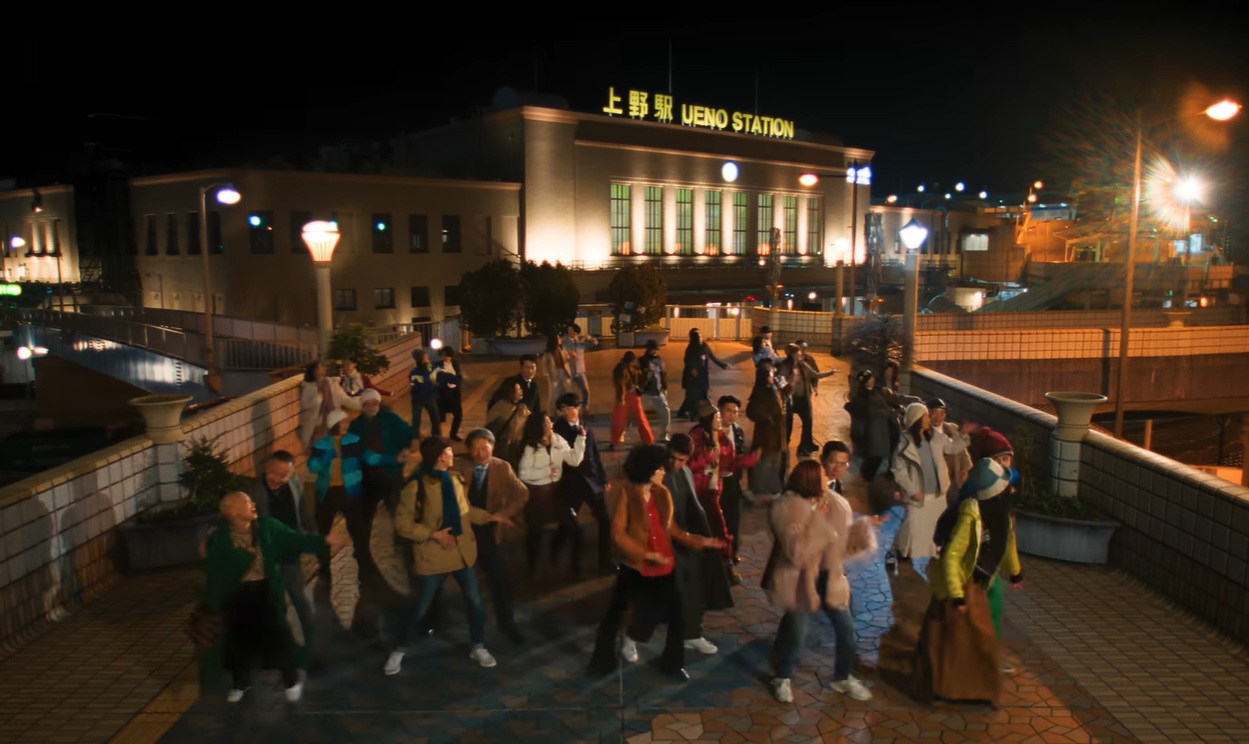
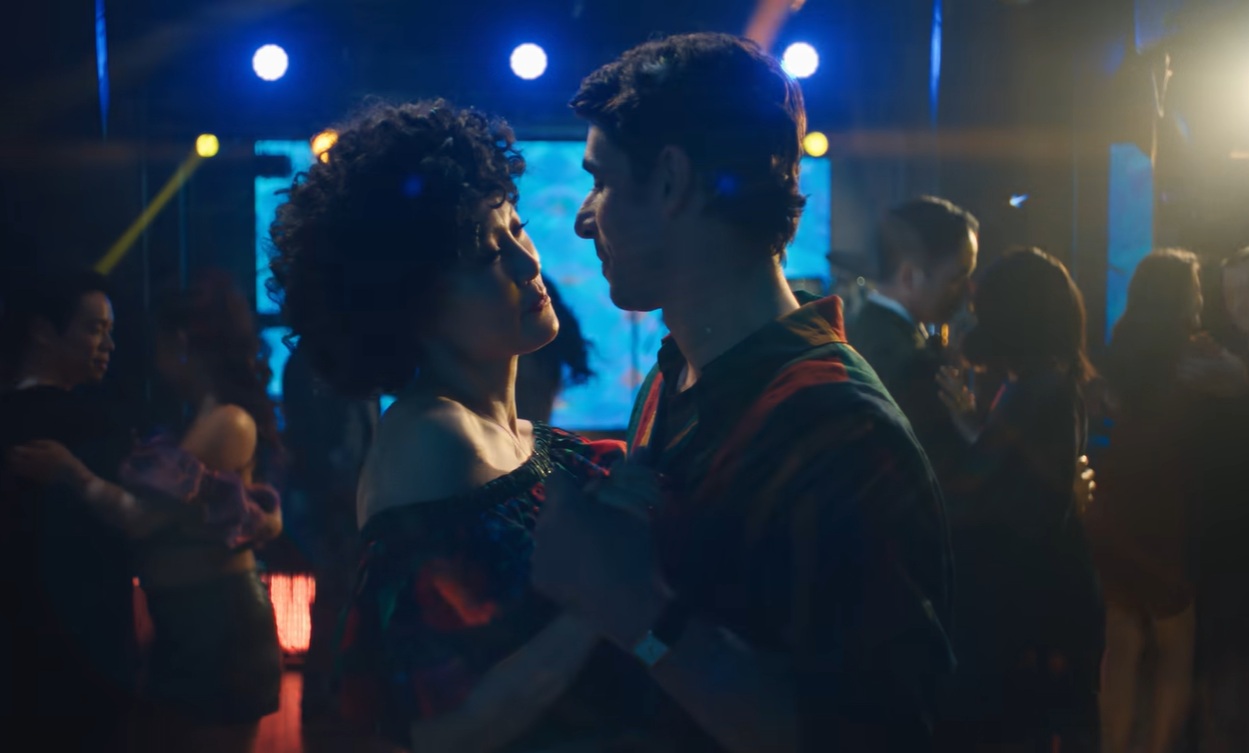
Rinko Kikuchi plays Haru — everyone calls her Ha-chan — a Tokyo ballroom dancer whose whole life was choreographed, literally and emotionally, around her husband and dance partner Luis (Alejandro Edda). Rumba, tango, paso doble — their marriage was the dance floor. When Luis dies suddenly, Haru doesn’t just grieve. She freezes. Nine months later she’s still wearing the stage makeup, the tight perm, the septum piercing — the whole performance costume of a life that no longer exists, like she’s stuck in the last frame of a routine nobody’s watching anymore.
Her family eventually forces her back into the studio, where she collides with Fedir, a chaotic, magnetic new instructor. And “collides” is generous — Haru’s grief curdles into an obsessive infatuation that pushes her into genuinely reckless territory, including breaking into the apartment he shares with his wife. It’s uncomfortable. It’s occasionally very funny. And somewhere in the middle of all that mess, a giant, dreamlike bird starts showing up as a kind of emotional omen, and the film tips fully into magical realism.
Why It Works (Mostly)
Rinko Kikuchi is doing career-best work here. People know her from Babel and Pacific Rim, always in that register of contained, aching intensity. This role asks for something completely different — unhinged, funny, physically explosive — and she nails the tonal tightrope. Haru does things across this film that should make her insufferable: stalking, lying, spiraling. Somehow Kikuchi keeps her sympathetic the entire time, which is the hardest trick an actor can pull off. You’re never rooting against her, even when you should be rolling your eyes at her.
The visual language is genuinely bold. Wladyka’s last film, Catch the Fair One, was lean and grounded — nothing here suggests the same director made that movie. Working with cinematographer Daniel Satinoff, he leans into saturated color, dreamlike staging, and dance sequences shot less like a sports movie and more like an altered state. Composer Nathan Halpern’s score treats the ballroom floor as its own separate universe, and that surreal quality is honestly the strongest argument for seeing this in a theater rather than waiting for streaming — a big screen and a real sound system do a lot of heavy lifting for the movie’s dreamier stretches.
Where It Stumbles
Here’s my honest gripe, and it’s one a lot of viewers online seem to share: the film is structurally lopsided.
- The first hour lives almost entirely inside Haru’s isolation and mourning — heavy, slow, occasionally repetitive in how it circles the same grief without moving forward.
- The second hour flips into something closer to a dark, chaotic dramedy once the Fedir plotline kicks in, and the energy shift is enormous.
Some of that whiplash is clearly intentional — mirroring how grief doesn’t move in a straight line, how you can be numb for months and then suddenly reckless. I buy that reading. But there were stretches in act one where I checked how much runtime was left, and that’s never a great sign, festival prize or not.
A smaller nitpick some cinephile circles have raised: certain grief cues (the untouched makeup, the frozen wardrobe) read as a little on-the-nose, almost engineered for an awards reel rather than emerging organically from character. I didn’t mind it as much as some — I think Wladyka is working in a heightened, fable-like register on purpose — but it’s a fair critique if you prefer your grief dramas more restrained.
Ha-Chan, Shake Your Booty Movie Explanation: Plot Analysis and Ending Explained
Quick Breakdown
| What You’re Getting | Verdict |
|---|---|
| Lead performance | Kikuchi is the reason to buy a ticket, full stop |
| Visual/sound design | Immersive, theater-worthy, worth the big screen |
| Pacing | Uneven — slow start, much stronger back half |
| Tone | Genre-blending; grief-comedy hybrid, not for everyone |
| Rewatch value | High — there’s more going on than one viewing catches |
Should You See It in Theaters?
This one’s for a specific audience, and I say that with love, not as a knock. It’s worth the ticket if:
- You gravitate toward character studies over plot-driven movies, especially ones that treat dance as psychology rather than spectacle
- You want to catch a performance that’s going to be part of the awards conversation this season, before everyone’s already talking about it
- You care about sound design and cinematography as storytelling tools, not just polish — this is a film that loses something meaningful on a laptop screen
Skip it, or wait for streaming, if you want something tonally consistent, or if abrupt swings between real tragedy and near-slapstick chaos aren’t your thing. This isn’t a tidy, three-act romantic dramedy. It’s messier than that, on purpose.
What gives the film its emotional weight, honestly, is knowing Wladyka based Haru loosely on his own mother, a Japanese immigrant — that personal thread runs under even the film’s silliest moments, and you can feel it. It keeps the movie from ever tipping into cynicism, even when the story gets genuinely bizarre.
My rating: 4 out of 5. Uneven pacing knocks it down slightly, but Kikuchi’s performance and the sheer audacity of the film’s back half make it one of the more memorable theatrical experiences of the year. Find a smaller independent theater if you can — this movie wants a dark room and a real speaker system, not a phone screen at 1am.


