Monster The Lizzie Borden Story Ending Explained: Spoilers, Twists, and Inaccuracies in Netflix Season 4
I’ll be upfront: I’ve been obsessed with the Lizzie Borden case since I was a teenager falling down late-night Wikipedia rabbit holes, so when Ryan Murphy and Ian Brennan announced they were dragging their Monster anthology back to 1892, I had feelings. Mostly excitement, a little dread. Would they treat Fall River’s most famous unsolved axe murder with any restraint? Reader, they did not. And honestly? I loved almost every unhinged second of it.
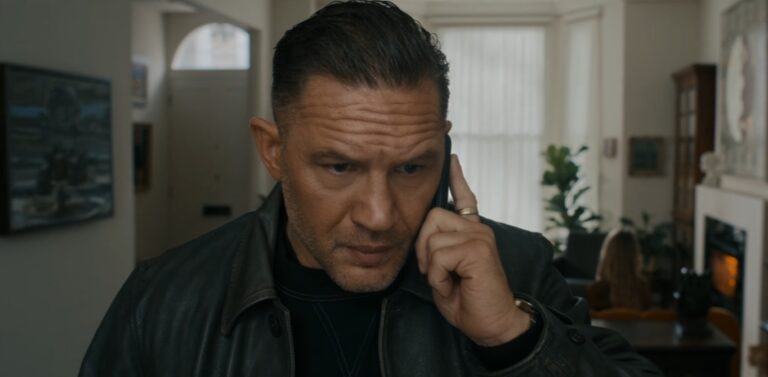
Season 4 of Monster trades Jeffrey Dahmer’s Milwaukee apartment and the Menendez brothers’ Beverly Hills mansion for a suffocating Victorian household, and it somehow feels like the most Monster-coded season yet — repression, rage, and a family that would make any therapist quit on the spot. Ella Beatty carries the whole thing as Lizzie, Charlie Hunnam is deliciously miserable as her miser of a father Andrew, and Vicky Krieps quietly steals scenes as stepmother Abby. If you finished the finale and immediately opened five tabs to figure out what was real, same. Let’s get into it.
The House That Built A Killer
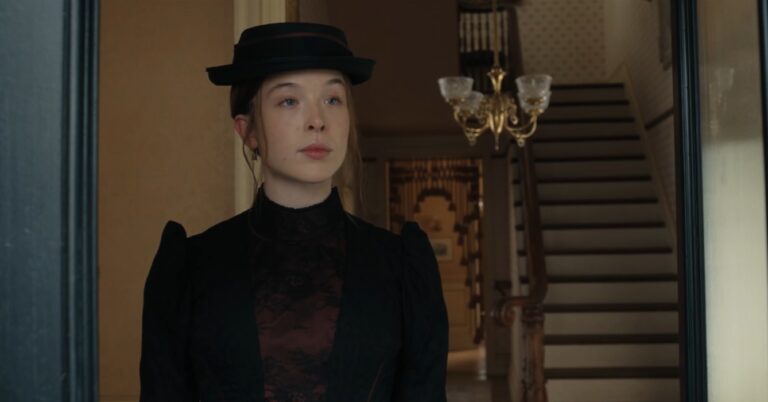
The show spends its early hours doing something I genuinely respected: it doesn’t just throw an axe at you in episode one. It builds. Andrew Borden is painted as a controlling, penny-pinching tyrant who keeps his daughters, Lizzie and Emma (Billie Lourd), financially and emotionally caged despite the family’s wealth. Abby is complicit in that suffocation rather than a victim caught in the crossfire. Lizzie herself is written as restless, strange, tender toward animals, and completely out of step with what a “proper” Victorian daughter is supposed to be.
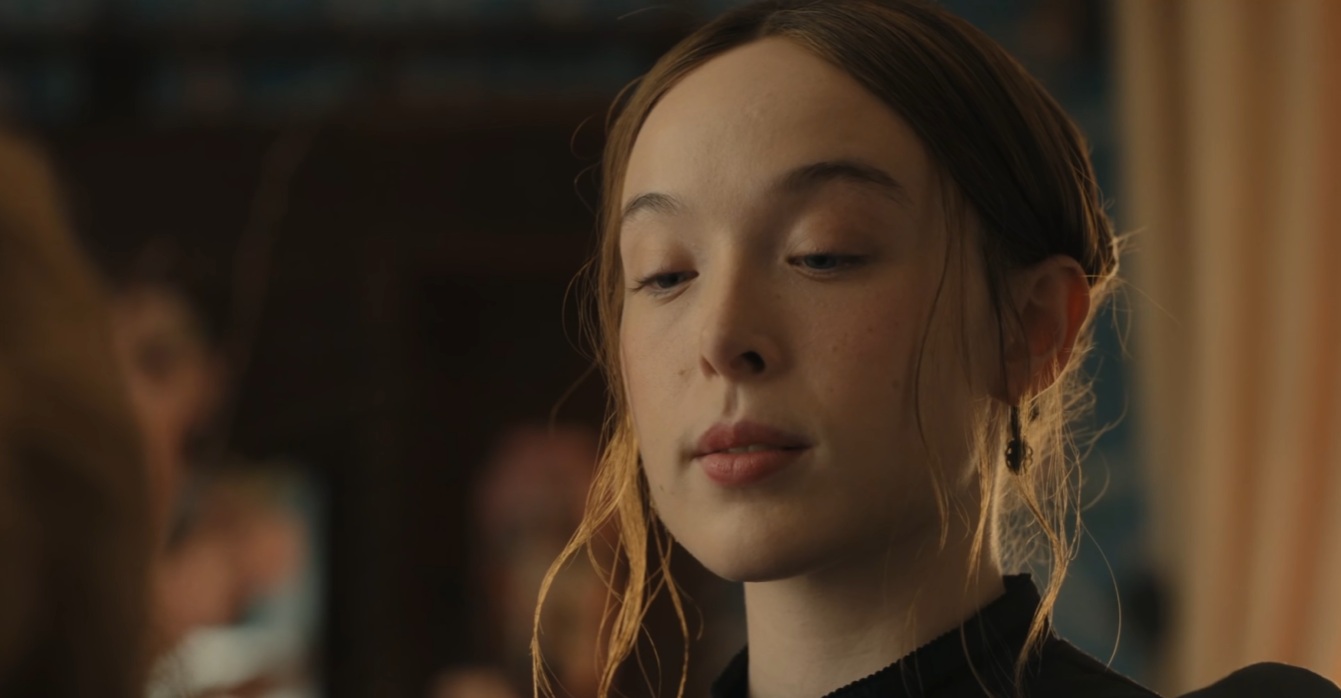
Her one real connection in that house is Bridget “Maggie” Sullivan, the family’s Irish maid, played with a lot of quiet intensity by Jessica Barden. And that relationship is where the show takes its biggest swing.
The Twist Everyone’s Talking About: Lizzie And Bridget
Here’s the thing the real trial transcripts never gave us — a motive with a pulse. The series reimagines Lizzie and Bridget as secret lovers, and their bond curdles from comfort into a shared fantasy of escaping the house entirely, by any means necessary. Instead of the ambiguous, possibly-solo-act theory most historians lean toward, Monster commits fully: this was planned, and it was planned together.
The murders themselves are shot with the kind of stylized brutality the Monster franchise has built its brand on:
- Abby is killed first, alone upstairs, with multiple hatchet blows.
- Andrew comes home hours later expecting rest, not knowing what’s waiting for him on that parlor sofa.
- The show never plays coy about who’s responsible — you watch Lizzie and Bridget do it, together, as a bid for freedom and Andrew’s fortune.
That’s a massive departure from the historical record, and I think it’s the choice that will split audiences the most.
The Trial: Victorian Sexism As A Legal Strategy
If you know the case, you know the ending of the trial itself isn’t fiction — but the show does a genuinely sharp job dramatizing why it went the way it did. The defense doesn’t argue Lizzie’s innocence so much as argue her category: a churchgoing Sunday school teacher simply couldn’t be capable of that kind of violence, in the eyes of an all-male jury raised on Victorian ideas about womanhood.
Even with damning circumstantial details on the table — including Lizzie burning a dress days after the murders, which she claimed was ruined by paint — the jury acquits her. That part tracks with history. What happens next is where the show really starts sprinting away from the record books.
Maplecroft, Freedom, And Total Isolation
Acquittal doesn’t buy Lizzie peace, and this is honestly some of the show’s best writing. She inherits her father’s estate, buys a lavish new house she names Maplecroft, and tries to build the glamorous, liberated life she always wanted with Bridget by her side.
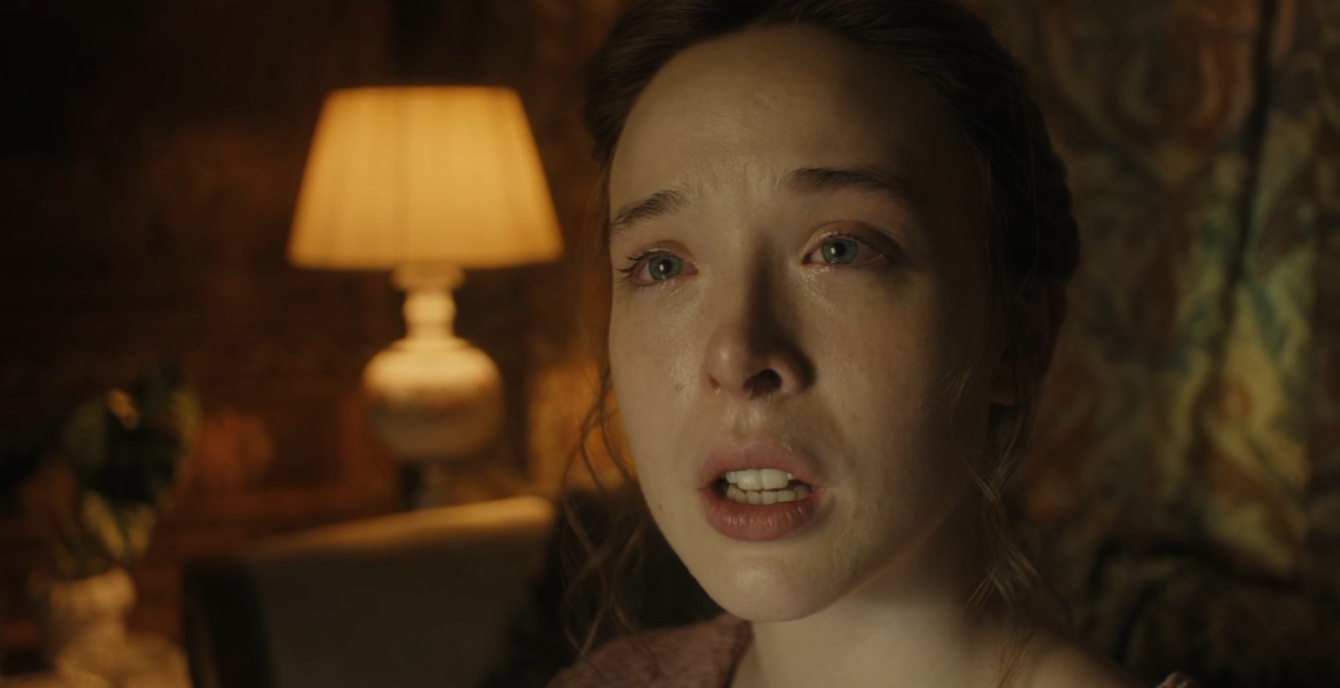
It doesn’t last.
| What Lizzie Wants | What Actually Happens |
|---|---|
| A life of art, wealth, and love with Bridget | Bridget grows terrified of her and leaves Fall River for good |
| Reconciliation with her sister | Emma grows suspicious, then walks away permanently |
| Social acceptance as a free woman | Fall River treats her like a pariah for the rest of her life |
| Companionship through her friendship with actress Nance O’Neil (Rebecca Hall) | The relationship scandalizes the town and finishes off what’s left of her bond with Emma |
By the time the credits roll on the “present day” storyline, Lizzie is rich, legally free, and completely alone — which feels like the show’s actual thesis statement about her.
Okay, Now Let’s Talk About Sarah Paulson
This is the part where I sat up on my couch and said “wait, WHAT” out loud. In a full-blown Monster-signature swing, the finale (and a detour in episode 4) pulls Lizzie’s story into conversation with two other infamous women: Elizabeth Báthory, the 16th-century Hungarian countess, and Aileen Wuornos, the American serial killer executed in 2002.
Sarah Paulson shows up as Wuornos, staying at a modern-day bed and breakfast that used to be the actual Borden house. In her final moments before execution, Wuornos hallucinates the spirits of Lizzie and Bridget appearing to guide her into whatever comes next. It’s surreal, it’s melodramatic, and it’s clearly meant as a thematic gut-punch about a “lineage” of women shaped into monsters by the world around them — one who escaped consequences, one who absolutely did not.
Is it historically real? Obviously not. Wuornos was born decades after Lizzie died. But as a piece of thematic television, weaving generations of “difficult women” together, I get what they were going for even if it’s a lot.
Monster: The Lizzie Borden Story Ending Explained – Netflix vs. Real Life
Fact vs. Fiction: The Big Departures
If you’re trying to sort what’s real from what’s dramatized, here’s the quick cheat sheet:
- The Bridget romance and accomplice angle — no historical evidence supports either claim. Bridget testified during the case, later moved to Montana, married, and never once changed her story.
- The Wuornos/Báthory crossover — pure fiction, built entirely for thematic effect rather than historical accuracy.
- The Nance O’Neil relationship — the friendship itself is real and did scandalize Fall River, but historians are genuinely divided on whether it was romantic; the show picks the juicier interpretation.
- The deaths — Lizzie died of pneumonia in 1927 following gallbladder surgery; Emma died just nine days later, having never reconciled with her sister. That estrangement is one of the few things the show gets emotionally right, even if the road there is heavily fictionalized.
My Verdict As Someone Who Actually Cares About This Case
I went in ready to be annoyed by the liberties, and instead I found myself won over by how committed the show is to its own version of events. It’s not a documentary, it’s not trying to be, and once you accept that, it becomes a genuinely compelling character study about what happens to a woman the law lets go but society never forgives. The Wuornos crossover will absolutely be the most divisive scene of the year in true-crime TV circles, and honestly, I respect the audacity even where I’m skeptical of the execution.
If you want the facts, read the trial transcripts. If you want a haunting, messy, occasionally ridiculous meditation on female rage across a century — this delivers.