Not a Stranger Turkish Series Ending Explained: The Deep Meaning Behind Kenan and Leyla’s Fate
I’ll be honest — I binged the last three episodes of Bambaşka Biri (released internationally as Another Love, and now streaming as Not a Stranger) in one sitting at 2 AM, fully expecting a tidy bow on top. That’s not what I got. What I got instead was a finale that sat in my chest for days, and honestly, I’m still turning it over.
If you’ve made it to the end of this show and you’re sitting there with fifteen browser tabs open trying to figure out what actually happened to Kenan, what happened to Dogan, and why that final scene with Leyla left you staring at your ceiling — I get it. Let’s break it down, cinephile to cinephile, no algorithm-generated fluff.
Why This Show Hit Different From the Start
Most Turkish dramas that get international attention lean on external drama — feuding families, class warfare, secret marriages. Not a Stranger did something braver: it dragged the entire conflict inside one man’s mind and refused to let the audience look away.

Burak Deniz plays Kenan Ozturk, a beloved TV news anchor with a warmth that feels almost too good to be true — and it is, in a way neither he nor the audience initially understands. Hande Ercel’s Leyla Gediz is a prosecutor who doesn’t do gray areas, at least not at first. She’s chasing a serial killer nicknamed the Toymaker, a vigilante leaving toys behind at crime scenes tied to old, buried institutional abuse.
You already know where this is going if you’ve watched even one episode of psychological television before, but the show still manages to make it land like a gut punch: Kenan and Dogan are the same person. Dogan isn’t a separate villain lurking in the shadows of the plot — he’s the fractured half of the man Leyla fell in love with, born out of childhood trauma from an orphanage fire that should never have happened.
The Core Tragedy, Stripped Down
Here’s the skeleton of it, without the melodrama padding:
| Element | Kenan | Dogan |
|---|---|---|
| Public role | Celebrated news anchor | Unknown, hidden |
| Origin | Survivor of abuse and an orphanage fire | Formed as a protective alter during that same trauma |
| Driving force | Love, guilt, desire to help Leyla | Vengeance against those who covered up the crimes |
| Leyla’s relationship to him | Romantic partner | The suspect she’s hunting |
What makes this work — and what a lot of “evil twin” or “hidden killer” plots completely botch — is that the show never lets you hate Dogan outright. He’s rage with a cause. That’s a much harder thing to write, and honestly a much harder thing to watch resolve cleanly, which is exactly why the ending refuses to.
What Actually Happens at the End (No Sugarcoating)
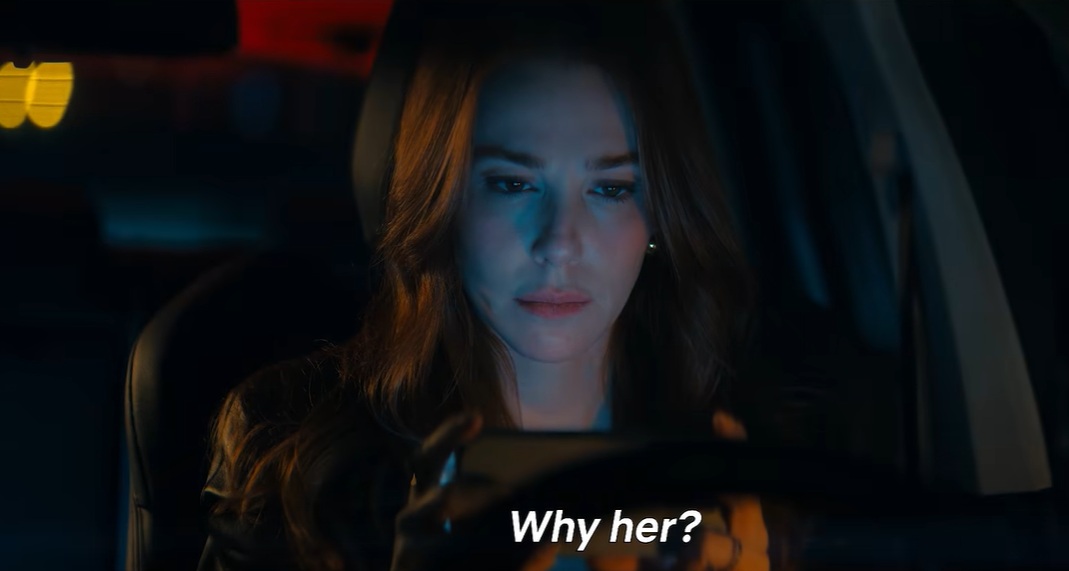
Once Leyla and the authorities finally connect the dots and confirm Kenan’s identity as the Toymaker, the show doesn’t pivot into a manhunt thriller. It goes inward. The finale is less about handcuffs and more about whether Kenan can hold the line against his own mind while everyone he loves watches it happen in real time.
A few things stood out to me as genuinely well-executed rather than just emotionally manipulative:
- The confrontation isn’t framed as “catching a criminal” — it’s framed as watching someone fight for the right to exist as themselves.
- Leyla never abandons her role as a prosecutor, but her understanding of justice visibly matures. She stops seeing the law as a black-and-white ledger.
- The performances during this stretch rely almost entirely on silence and eye contact rather than exposition dumps, which honestly takes guts in a genre that usually over-explains everything.
By the climax, Kenan manages to suppress Dogan — not through some magical cure, but through the brutal, unglamorous work of confronting the truth of what happened to him as a child. Dogan doesn’t get “killed off” in a dramatic showdown. He’s neutralized because the wound that created him finally gets acknowledged instead of buried.
Does That Mean Dogan Is Gone For Good?
This is the question flooding every fan forum, and I get why. The show’s answer is deliberately more psychological than literal. Dogan isn’t shown dying, disappearing in a puff of smoke, or getting arrested separately — because he was never a separate physical entity to begin with.
What the finale communicates instead:
- Dogan’s driving force — unresolved rage tied to silence and cover-ups — has been directly addressed rather than suppressed through denial.
- Kenan can’t simply resume his old public life; the psychological cost is too severe, and legally, his situation remains complicated regardless of his lack of conscious control during the crimes.
- He removes himself entirely from public life — not as a punishment imposed on him, but as a form of self-protection and, likely, ongoing psychiatric care.
That last point is honestly the most mature choice the writers could’ve made. A happy reintegration where Kenan waltzes back into his anchor desk job would’ve cheapened everything the show spent sixteen episodes building.
Leyla’s Arc Deserves More Credit Than It Gets
A lot of recaps focus entirely on Kenan’s condition and skip past what Leyla goes through, which feels like a disservice. She starts the series believing justice is a fixed, unbending thing. By the end, she’s someone who can hold two truths at once: Kenan committed no conscious crime, and the system that created Dogan needs to be exposed regardless.
Her final act isn’t romantic reconciliation — it’s making sure the historical abuse and institutional cover-up behind the orphanage fire actually comes to light. That’s the real justice the show is interested in, arguably more than catching “a killer.”
That Final Scene — What the Note Actually Means
The show’s closing minutes jump forward in time. Leyla is rebuilding, visibly changed, not broken but not unscarred either. Then comes the note — vague, wordless in terms of plot exposition, but loaded with meaning if you’ve been paying attention:
- It confirms Kenan is alive, somewhere outside the chaos of Istanbul and away from cameras.
- It signals that his love for her hasn’t dimmed, even from a distance or from within some form of care or isolation.
- Most importantly, it implies Dogan hasn’t resurfaced — Kenan is, as far as the show wants us to believe, still himself.
It’s not a “happily ever after.” It’s more like a held breath finally exhaled. And honestly? That restraint is why the ending works instead of feeling like a cop-out.
Not a Stranger Netflix Ending Explained: Nanny Nazli Past Secrets Revealed
The Fan Theory I Actually Buy
Circulating heavily on Reddit and YouTube: Kenan’s disappearance wasn’t abandonment or exile — it was likely arranged quietly with family support to get him genuine long-term psychiatric treatment away from public scrutiny. Given how quiet and non-violent his final exit is, this reading tracks far better than any “he ran because he’s guilty” interpretation.
There’s also something quietly poetic that a lot of viewers picked up on: a man who spent his entire career being watched by millions on national television finds his only path to peace in becoming completely anonymous.
Why This Ending Actually Works
Shows dealing with dissociative identity disorder have a rough track record — they either sensationalize it into a horror-movie gimmick or wrap it up with an unrealistic “love cures everything” bow. Not a Stranger does neither. Love here doesn’t erase Kenan’s condition; it gives him the will to keep fighting for control. That’s a genuinely more honest depiction than most mainstream television bothers attempting.
If you came out of this finale frustrated that Kenan and Leyla didn’t get a storybook reunion, sit with it a little longer. The show was never promising you that. It was promising you something rawer — and it delivered.